The most important factor when choosing an iboga retreat or ibogaine treatment centre is medical safety — specifically, whether the provider requires cardiac screening, maintains a qualified medical professional on site for the full ceremony, and conducts thorough intake for drug interactions and psychiatric contraindications. Location, setting, and price are secondary considerations. Getting the safety infrastructure wrong has killed people. Getting the setting wrong has not.
Why this decision is not like choosing a wellness retreat
Iboga is not a spa treatment. It is a powerful psychoactive compound with real cardiac risk — specifically, QT interval prolongation — that makes it genuinely dangerous for people with certain heart conditions. The active experience lasts 12–24 hours and cannot be shortened. During that time, a person is in a physically demanding, psychologically intense state that requires competent monitoring.
This matters because the ibogaine retreat market is largely unregulated. Providers range from highly rigorous operations with full medical infrastructure to people who have completed ceremony twice and now offer it to others in a rented house. The distance between those two ends of the spectrum is not a difference in experience quality. It is a difference in who comes home.
The question to answer before anything else: does this provider have the infrastructure to keep me safe? Everything else — setting, approach, philosophy, price — is a secondary consideration.
Location: Gabon, Mexico, or Canada?
Gabon
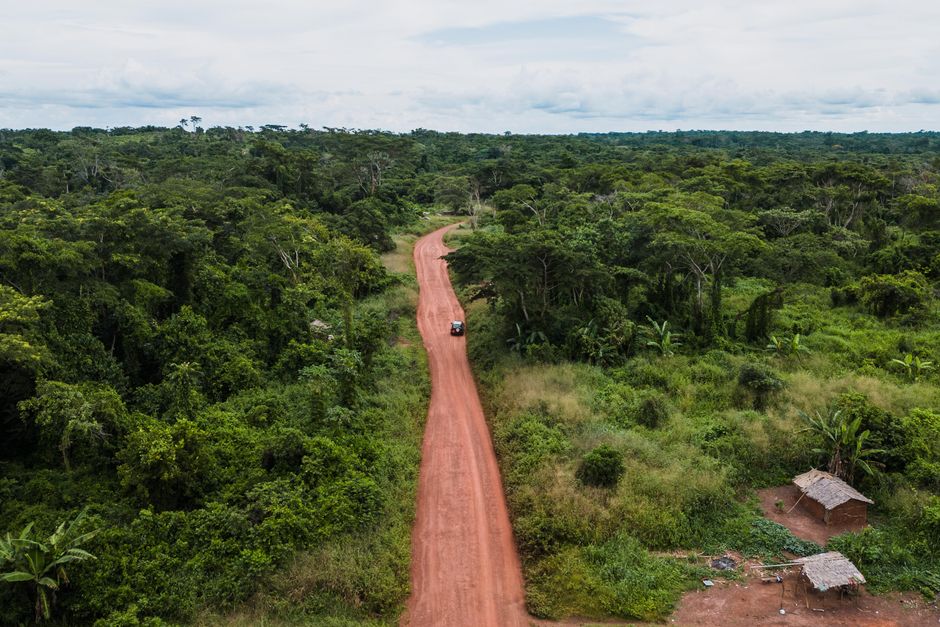
Gabon is where iboga originates. The Bwiti tradition is active there, and a small number of providers offer genuine initiatory experiences rooted in that tradition. This is the most traditional context — and also the most remote, with limited access to emergency medical care if something goes wrong. Authentic Bwiti initiation is not a healing retreat in the Western sense. It is a demanding initiatory process, often spanning multiple days, that makes specific demands of the participant in ways that clinical and ceremonial providers elsewhere do not.
Mexico
Mexico hosts the largest concentration of ibogaine clinics in the Western Hemisphere, primarily in Baja California. Mexico's regulatory environment allows ibogaine to be administered legally by licensed providers. Standards vary enormously — from well-resourced clinical operations with full cardiac monitoring to underfunded clinics with minimal safety infrastructure. Being in Mexico does not tell you anything about quality. Asking the right questions does.
Canada
Ibogaine is not scheduled under Canada's Controlled Drugs and Substances Act, meaning it is neither approved nor explicitly prohibited. A small number of ceremonially-rooted providers operate in British Columbia, typically working in small groups with personalised attention throughout the process. Location matters less than what the provider does in that location.

Medical safety: what is and is not negotiable
There is a short list of things responsible ibogaine providers do without exception. These are not optional extras or premium add-ons. They are the baseline below which a provider is not operating safely.
Non-negotiable requirements:
- Cardiac screening including EKG before any ceremony
- Full medical history review and medication screening
- Blood panel — liver function, kidney function, CBC
- Psychiatric history assessment
- On-site medical professional for the full duration of ceremony — not "on call nearby"
- Clear contraindication protocol for SSRIs, SNRIs, lithium, and other high-risk medications
Any provider who presents any of these as optional — or who cannot describe specifically how they conduct each one — should not be considered further.
The SSRI question is where many providers fall short. SSRIs and SNRIs are absolute contraindications for ibogaine. The risk of serotonin syndrome, which can be fatal, makes this non-negotiable. A responsible provider will ask about antidepressants early in the intake process and require a supervised taper before ceremony is possible. A provider who says "just stop taking them a week before" is not managing this safely.
Any provider who cannot name the on-site medical professional, describe their credentials, and confirm they are present for the full duration of ceremony is not operating safely. This is not a grey area.

Cardiac screening and why it matters
Ibogaine prolongs the QT interval — the period of cardiac electrical activity between beats. In people with normal cardiac function, this prolongation is manageable with appropriate monitoring. In people with pre-existing QT prolongation, arrhythmia, or other cardiac conditions, it can produce a fatal arrhythmia.
The fatalities that have occurred during ibogaine treatment are heavily concentrated among providers who did not screen for cardiac contraindications before ceremony. EKG screening identifies QT prolongation. Without it, a provider has no way of knowing whether a participant is at elevated cardiac risk until something goes wrong mid-ceremony — at which point the window for safe intervention has already narrowed.
Ask any provider: Do you require an EKG before ceremony? If the answer is anything other than "yes," that is the end of the conversation. The 2023 Stanford study in Nature Medicine — the most significant recent ibogaine research — was conducted in a setting with full cardiac monitoring. That is not a coincidence.

What good integration support looks like
Integration is what happens after ceremony. It is where the outcomes of ibogaine treatment are actually determined. The ceremony opens a window — a period of reduced craving, increased neuroplasticity, and heightened capacity for change. Integration is the deliberate work of making use of that window before it closes.
A good iboga retreat does not end when you leave the property.
What adequate integration support includes:
- A structured pre-ceremony conversation — setting realistic expectations and clarifying intention
- Follow-up contact within the first week post-ceremony
- Access to integration coaching or referrals to qualified integration support
- Honest guidance about what the integration period involves and how long it takes
What inadequate integration support looks like: a pamphlet, a suggested reading list, and a "good luck." Integration that does not happen — or happens inadequately — is the most common explanation for why people return to previous patterns after a profound ceremony. The ceremony alone does not produce lasting change. What happens afterward does.
For a detailed account of what integration actually involves, read our guide to integration after plant medicine or the integration page.
Red flags: reasons to walk away immediately
These are specific things that should end the conversation with a provider, regardless of how good everything else sounds:
- No EKG required before ceremony. This is the single most important red flag in the ibogaine space.
- No on-site medical professional during ceremony. "We have someone available if needed" is not sufficient for a 12–24 hour experience with real cardiac risk.
- No questions about SSRIs or psychiatric medications during intake. A provider who does not ask about current medications before ceremony is not conducting adequate screening.
- Pressure to book quickly or deposit immediately. Responsible providers do not manufacture urgency.
- No clear emergency protocol. Ask how the provider would respond to a cardiac event during ceremony. If they cannot answer specifically, they have not prepared for it.
- "We've never had a problem." This is not a safety protocol.
- Group sizes that make individual monitoring impossible. Ibogaine ceremony cannot be safely monitored if the ratio of participants to medical personnel makes individual observation impractical.
- Promises about outcomes. Responsible providers describe what the medicine does and what the process involves. They do not promise sobriety, healing, or transformation.
Cost and what it should include
Ibogaine treatment costs what it costs because it requires real resources: on-site medical personnel, cardiac screening, the medicine, and the sustained time of experienced practitioners.
In Mexico, established clinical providers typically charge USD $3,000–$10,000 for a full treatment programme including medical supervision and post-ceremony support.
At ExploreBwiti in Vancouver, BC:
- Iboga ceremony: $2,000–$5,000 CAD — includes on-site medical professional, medicine, and facilitation
- 5-MeO-DMT ceremony: $600–$1,500 CAD
- Integration coaching: $150–$300 CAD per session
Providers charging significantly below these ranges should be asked specifically what that reduced cost reflects. The most likely answer is that safety infrastructure has been reduced. On-site medical personnel cost money. Cardiac screening costs money. These costs do not disappear — they are either borne by the provider or they are absent. Absent is not a discount. It is a risk transferred to the participant.
Questions to ask any provider before booking
These are specific questions. Vague or evasive answers are themselves informative.
- Do you require an EKG before ceremony? Who interprets the results?
- Who is the medical professional on site during ceremony, and what are their credentials?
- Are they present for the full duration of ceremony, or on call?
- What is your protocol if a participant has a cardiac event during ceremony?
- What medications and health conditions are absolute contraindications for your programme?
- How do you handle participants currently taking SSRIs or SNRIs?
- What does integration support look like after ceremony, and for how long does it continue?
- What is your group size, and how many staff are present per participant?
- Have you ever turned someone away from your programme? Why?
The last question is particularly useful. Responsible providers turn people away regularly — when contraindications are real, when timing is not right, when a person is in a state of acute instability that ceremony would amplify rather than resolve. A provider who has never turned anyone away is either selecting only low-risk participants or not screening rigorously enough. We discuss this in detail in our FAQ.
If you are in Canada
Canada's legal position on ibogaine is distinct: not scheduled, not approved, not explicitly prohibited. This makes it possible for ceremonially-rooted providers to operate in British Columbia, working with participants in ways that would not be legal in the United States.
At ExploreBwiti in Vancouver, we work with a small number of participants at a time. The intake is thorough by design — not because we want to make access difficult, but because the quality of the screening conversation determines whether ceremony is appropriate for the specific person. We turn people away when the contraindications are real. We tell people to wait when timing is not right. That is the intake process working correctly.
If you are in Canada and considering iboga ceremony, start with the FAQ and the ceremony page. Complete the application if what you read seems relevant to your situation. We respond personally to every application within 2–3 business days. For context on what responsible ibogaine research looks like at the clinical level, registered ibogaine trials on ClinicalTrials.gov are a useful reference point.
Frequently asked questions
How do I find a reputable ibogaine treatment centre?
The most reliable indicators are: required EKG before ceremony, on-site medical professional present for the full ceremony duration, thorough screening for drug interactions and psychiatric contraindications, and a clear willingness to turn away inappropriate candidates. Ask specific questions about each — vague answers are informative.
Is ibogaine treatment legal in Canada?
Ibogaine is not a scheduled substance under Canada's Controlled Drugs and Substances Act and is not approved for medical use. It is not explicitly prohibited — a meaningfully different position from the United States (Schedule I) or the UK (Class A). Consult a legal professional if you have specific concerns.
What is the difference between an iboga retreat in Gabon and an ibogaine clinic in Mexico?
Gabon offers traditional Bwiti initiation — the authentic cultural context in which iboga has been used for centuries. It is remote, demanding, and distinct from healing retreats in the Western sense. Mexican clinics offer ibogaine in a more clinical or ceremonial setting with varying degrees of medical infrastructure. Neither location tells you about safety quality — that requires asking specific questions of the specific provider.
How much does an iboga retreat cost?
In Mexico, established clinical providers typically charge USD $3,000–$10,000. In Canada at ExploreBwiti in Vancouver, iboga ceremony costs $2,000–$5,000 CAD depending on what the treatment requires. Providers charging significantly below these ranges should be asked what the reduced cost reflects — the most likely answer is reduced safety infrastructure.
What should I do if I'm on antidepressants and want to do iboga?
SSRIs and SNRIs are absolute contraindications for ibogaine treatment due to the risk of serotonin syndrome. A supervised taper — conducted in coordination with your prescribing physician — is required before ceremony is possible. The timeline varies by medication. Do not attempt to taper without medical supervision, and do not accept any provider who tells you to simply stop taking them before ceremony.
What are the red flags when choosing an iboga retreat?
No EKG required before ceremony is the single most important red flag. Others include: no on-site medical professional during ceremony, no questions about medications during intake, pressure to book quickly, inability to describe an emergency protocol, and promises about specific outcomes.
Where can I get ibogaine treatment near me in Canada?
ExploreBwiti offers iboga ceremony in Vancouver, BC. Ibogaine is not scheduled in Canada, and a small number of providers operate in British Columbia. The intake process begins with an application — we respond personally within 2–3 business days to discuss whether your situation is appropriate for ceremony.