An iboga ceremony is a 12–24 hour encounter with iboga root bark, conducted within the ceremonial framework of the Bwiti tradition of West-Central Africa. It is not a psychedelic retreat in the wellness sense. The medicine tends to show people what they have been avoiding — not what they hope to find. That distinction matters before anything else about the process.
An iboga ceremony is a facilitated 12–24 hour experience with iboga root bark, rooted in the Bwiti initiatory tradition of Gabon and Cameroon. The medicine produces autobiographical memory review, visionary states, and sustained introspection across three phases. At ExploreBwiti in Vancouver, BC, every iboga ceremony is preceded by full medical screening including EKG and is attended by an on-site medical professional throughout.


Where Iboga Ceremony Comes From
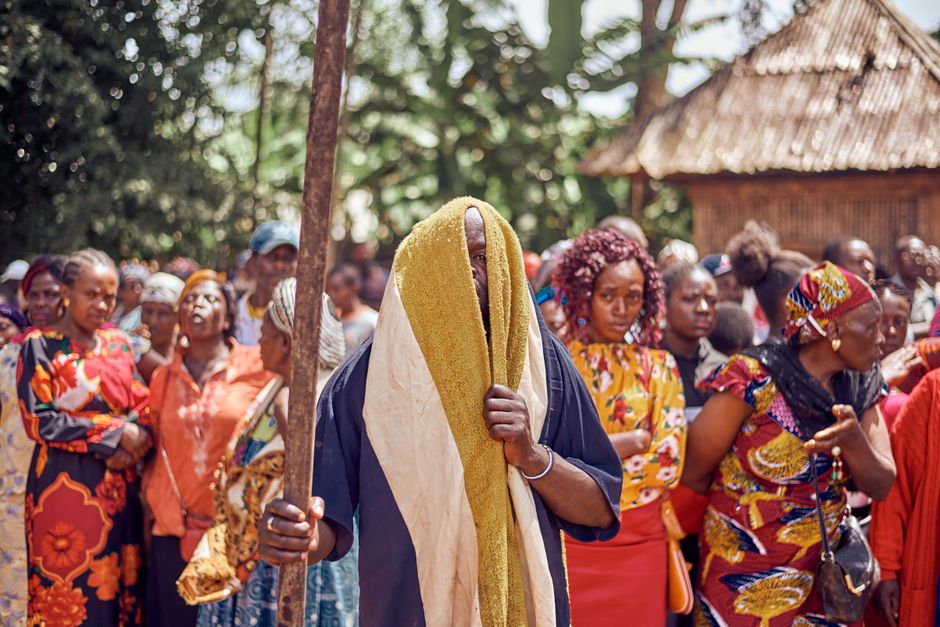
Iboga (Tabernanthe iboga) is a root bark from the rainforests of Gabon and Cameroon. It is the central sacrament of the Bwiti tradition — a system of initiation, knowledge transmission, and healing practised in West-Central Africa for centuries. The Bwiti use iboga in initiatory rites that mark passage from one life stage to another, in healing ceremonies, and in the training of healers — the nganga.
The ceremony is not a drug session. It is a structured encounter with a plant the Bwiti understand as a teacher — one that shows the initiate what they need to see, not what they want to see. The role of the nganga is not to direct the experience but to hold the ceremonial space, read what is happening physiologically and experientially, and respond to what the person and the medicine require across the full duration.
What has come to Vancouver and other Western ceremonial contexts is the form of this work adapted for people who arrive primarily with contemporary conditions — opioid dependence, PTSD, treatment-resistant depression — rather than traditional initiatory purposes. The Bwiti framework is not decoration. It informs the ceremony structure, the role of music, the facilitation approach, and the supported recovery period. More on the tradition and its origins is at MAPS — Returning to the Roots of Iboga.
The distinction between iboga ceremony in the Bwiti tradition and clinical ibogaine treatment is worth naming. Clinical protocols typically use isolated ibogaine HCl in a medical setting focused on pharmacological outcomes. Ceremonial iboga uses whole-plant preparations in a structured ritual context. The plant is the same. The setting, preparation, and intended context are not. That difference is covered in detail in the iboga vs ibogaine guide.
What Happens During an Iboga Ceremony
The ceremony begins with preparation completed beforehand: dietary guidelines in the days prior, a full medical screening process, and a period of intention-setting with the facilitator. The medicine — iboga root bark or total alkaloid extract — is taken in measured amounts over the opening hours. The active experience runs 12–24 hours, followed by 2–3 days of supported recovery at ExploreBwiti before participants return to ordinary life.
The experience typically unfolds in three phases:
Phase 1 — Acute (hours 1–8)
The most physically demanding period. Iboga is simultaneously a stimulant — sleep is not possible during these hours. Visionary and autobiographical content is most intense here: memories presented with a particular quality of detachment and clarity, patterns from the person's life shown without the usual emotional charge. Most participants remain lying down throughout this phase. Nausea occurs in a significant minority. Throughout the ceremony, music plays continuously — understood in the Bwiti tradition as co-medicine, not background.
Phase 2 — Introspective (hours 8–24)
The visual content typically recedes. What remains is a sustained encounter with what the first phase produced. Less dramatic than phase one, and often where the most substantive processing of the ceremony occurs — the person is more able to engage with what has arisen rather than simply witness it.
Phase 3 — Residual stimulation (days 1–3)
Sleep remains disrupted for the first night or two post-ceremony. Appetite is often reduced. Emotional sensitivity is heightened. These are normal responses to a full-body neurological event lasting 12–24 hours. The supported recovery period built into every ceremony at ExploreBwiti is not optional and is not abbreviated.
Noribogaine — ibogaine's primary active metabolite — remains biologically present for weeks to months after ceremony. This sustained activity is the most likely explanation for why iboga ceremony produces lasting changes well beyond the acute experience, and it defines the period during which integration work is most productive.
What the Medicine Shows You
People who come to iboga ceremony expecting a pleasant or expansive altered state are consistently surprised by how direct the experience is.
The medicine does not accommodate avoidance. It tends to show people what they have been avoiding — specific memories, patterns, relationships, aspects of a person's life presented with a particular clarity. This is not universally comfortable. It is often necessary.
The 2023 Stanford study, published in Nature Medicine, documented 88% average reductions in PTSD symptoms in 30 treatment-resistant veterans at one month post-ibogaine — well past the point when both ibogaine and noribogaine had substantially cleared the body. The methodological limitations are real: no placebo arm, small sample. The direction is consistent with what practitioners have observed across populations for decades.
The strongest outcomes occur in people who have spent years trying other approaches — SSRIs that blunted rather than resolved, therapy that circled without landing, abstinence programmes that held for months and then didn't. By the time they arrive, they are not naive about the difficulty of what they are attempting. That earned scepticism tends to produce people genuinely ready to encounter what iboga shows.
People who arrive primarily to have an experience — a shortcut to insight, something to describe afterward — reliably do not get what they came for. Iboga is not the medicine for people who want to skip the work. It is the medicine for people who have been doing the work and are stuck.
Medical Screening Requirements
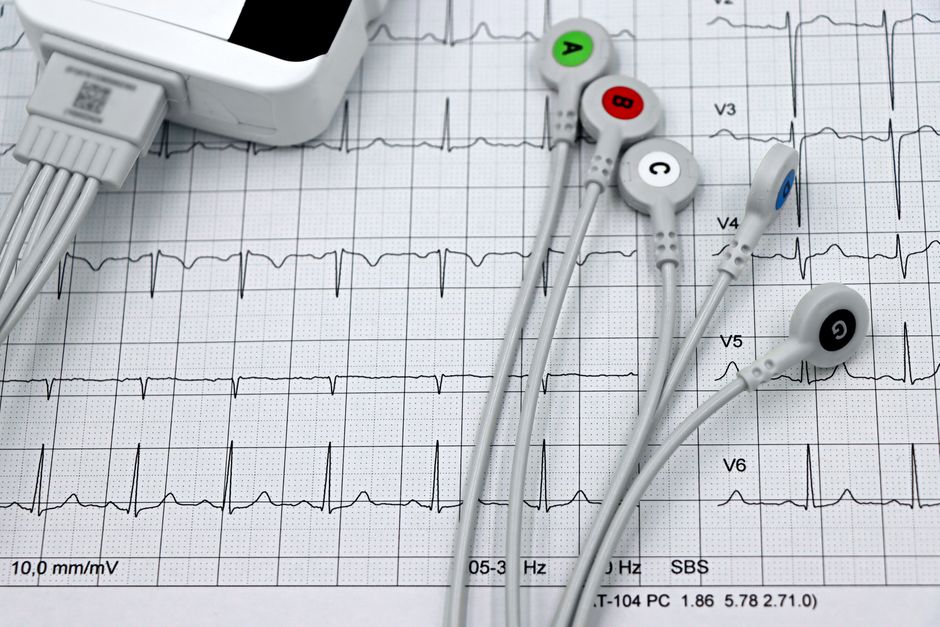
Ibogaine carries real cardiac risk — specifically, QT interval prolongation, which can produce fatal arrhythmia in people with certain pre-existing cardiac conditions. The fatalities that have occurred in ibogaine treatment are concentrated among providers who did not conduct cardiac screening before ceremony. Any provider offering ibogaine ceremony without cardiac screening is not operating safely.
At ExploreBwiti, the following are required before any ceremony:
- EKG and cardiovascular assessment — identifies QT prolongation and arrhythmia before they become emergencies during the 12–24 hour experience
- Blood panel — liver function, kidney function, and complete blood count
- Full medical history review
- Complete medication review — ibogaine interacts with multiple drug classes in ways that range from reduced efficacy to potentially fatal outcomes
- Psychiatric history assessment
An on-site medical professional is present for the full 12–24 hours of active ceremony. Iboga ceremony at ExploreBwiti costs $2,000–$5,000 CAD — this includes the on-site medical professional, the medicine, and facilitation. Providers charging significantly below this range are typically reducing safety infrastructure, not being generous.

Who This Is Not For
These are absolute contraindications for iboga ceremony — conditions under which ceremony is not possible, regardless of the individual's circumstances:
- QT prolongation, significant cardiac arrhythmia, or recent myocardial infarction. EKG screening identifies this risk. It cannot be reliably identified from a standard medical history alone.
- Current SSRIs or SNRIs. The risk of serotonin syndrome — from ibogaine's serotonergic activity interacting with an SSRI still present in the system — is real and potentially fatal. A supervised taper with the prescribing physician is required first. Not a few days off the medication. A supervised taper. There are no exceptions, and no provider who suggests otherwise should be trusted.
- Methadone. A specific supervised transition protocol is required before iboga ceremony is possible.
- Lithium.
- Severe liver or kidney disease. Ibogaine is extensively metabolised by the liver; compromised function alters the pharmacokinetics in ways that are not predictable.
- Active psychosis or schizophrenia spectrum disorder.
- Pregnancy.
Beyond these: a person in acute psychiatric crisis is not an appropriate candidate, regardless of how much they want this. The experience amplifies what is present. Entering it in acute instability does not produce stability.
When the screening process ends in a no — and it does, regularly — the conversation is uncomfortable. Someone who has found what feels like a thread of hope does not receive that answer easily. Delivering it clearly, without softening it, is an act of care. It is one of the most important things this centre does.

Integration After the Ceremony
Noribogaine sustains elevated neuroplasticity — the brain's capacity to form new patterns — for weeks to months following ceremony. What is done during that window determines whether the ceremony produces lasting change or an unusually vivid memory.
The pattern that produces relapse and return to prior conditions is consistent: the ceremony was significant, the person left with clarity, and six weeks later they were back where they started. This happens when people return immediately to the same environment, the same relationships, and the same unaddressed conditions that produced the original problem — without integration structure in place.
Integration is not optional for people seeking lasting change from this work. Providers who complete the ceremony and hand people a pamphlet are providing ibogaine. They are not providing ibogaine treatment. That distinction determines the outcome.
Integration coaching at ExploreBwiti costs $150–$300 per session (60–90 minutes), with packages of three or more sessions available. It is open to ExploreBwiti ceremony participants and to people who have worked with plant medicine elsewhere.
Is This Right for You?
Iboga ceremony is most appropriate for people with treatment-resistant conditions — those who have tried conventional approaches and found them insufficient. It is not a first-line treatment. It is not for people seeking a profound experience. It is not gentle.
The FAQ covers the most common questions about screening, cost, and process. If you have a specific condition or medication history, the most reliable way to assess whether ceremony is appropriate is to submit an application — every application is reviewed personally, with a response within 2–3 business days.
If you have done ceremony elsewhere and are looking for support during the integration period, integration coaching is available independently of ceremony at ExploreBwiti. More on the ceremony itself is available on our ceremony page.
Frequently asked questions
What is an iboga ceremony?
An iboga ceremony is a 12–24 hour facilitated experience with iboga root bark — the sacred plant of the Bwiti tradition of Gabon and Cameroon. The medicine produces autobiographical memory review, visionary states, and sustained introspection. At ExploreBwiti in Vancouver, every iboga ceremony requires full medical screening including EKG and is attended by an on-site medical professional for the full duration.
How long does an iboga ceremony last?
The active iboga experience runs 12–24 hours across three phases: an acute visionary phase (hours 1–8), an introspective phase (hours 8–24), and a residual stimulation phase (days 1–3) during which sleep is disrupted and emotional sensitivity is heightened. Physical recovery typically takes 2–3 days. Noribogaine — ibogaine's active metabolite — remains biologically present for weeks to months after ceremony, sustaining the neuroplasticity window during which integration work is most productive.
What are the three phases of an iboga ceremony?
Phase 1 (hours 1–8) is the acute phase — the most physically demanding, characterised by autobiographical visionary content, ataxia, and sometimes nausea. Phase 2 (hours 8–24) is introspective — less visual, more reflective, often where the most substantive processing occurs. Phase 3 (days 1–3) is residual stimulation — disrupted sleep, heightened emotional sensitivity, and continued integration. Sleep is effectively impossible during the first 24 hours.
What is the Bwiti tradition?
The Bwiti is an initiatory tradition from West-Central Africa — primarily Gabon and Cameroon — in which iboga root bark has been used as a sacrament for centuries. Knowledge is transmitted through ceremony, music, and direct experience. The nganga (healer) guides participants through initiatory rites marking life transitions. ExploreBwiti's ceremonial work is rooted in this tradition — it informs the ceremony structure, the role of music, and the facilitation approach throughout the 12–24 hour experience.
Who should not attend an iboga ceremony?
Absolute contraindications include: QT prolongation, significant cardiac arrhythmia, or recent myocardial infarction; current SSRIs or SNRIs (a supervised taper with the prescribing physician is required first — not a few days off medication); methadone without a supervised transition protocol; lithium; severe liver or kidney disease; active psychosis or schizophrenia spectrum disorder; and pregnancy. People in acute psychiatric crisis are not appropriate candidates regardless of circumstances. Medical screening identifies these conditions and others before ceremony.
Is an iboga ceremony the same as ibogaine treatment?
No. Clinical ibogaine treatment typically uses isolated ibogaine HCl in a medical setting focused on pharmacological outcomes. Iboga ceremony uses whole-plant preparations in the ceremonial context of the Bwiti tradition. The plant is the same. The setting, preparation, facilitation, and intended context are different. Both require EKG screening and carry the same absolute cardiac and medication contraindications.
How much does an iboga ceremony cost in Canada?
Iboga ceremony at ExploreBwiti in Vancouver costs $2,000–$5,000 CAD. This includes the on-site medical professional present for the full 12–24 hours of active ceremony, the medicine, and facilitation. Integration coaching is available at $150–$300 per session (60–90 minutes). Providers charging significantly below these ranges are typically reducing medical safety infrastructure — the cost of an on-site medical professional, proper screening, and the medicine itself is real.
What is integration after an iboga ceremony?
Integration is the active work of translating what the ceremony produced into lasting change — making use of the neuroplasticity window that noribogaine sustains for weeks to months after ceremony. Without deliberate integration, people typically return to the same conditions that produced the original problem and the original patterns reassert. Integration coaching provides structure for this period: working with what ceremony revealed, managing heightened sensitivity, and building the conditions for lasting change before the neuroplasticity window closes.