An iboga retreat is a structured multi-day programme centred on iboga ceremony — typically 3–7 days in total, with the active ceremony running 12–24 hours and a 2–3 day recovery period that follows. The medicine is iboga root bark from the Tabernanthe iboga shrub, used for centuries in the Bwiti tradition of Central Africa. In Vancouver, BC, an iboga retreat at ExploreBwiti includes pre-ceremony medical screening, on-site medical supervision during the ceremony, and structured integration support. These are not optional components — they are the difference between iboga ceremony and iboga ceremony done safely.
An iboga retreat is a structured multi-day programme including pre-ceremony medical screening, a 12–24 hour active ceremony using iboga root bark from the Bwiti tradition of Central Africa, a 2–3 day on-site recovery period, and post-ceremony integration support. The medicine's active metabolite, noribogaine, continues influencing mood and neuroplasticity for weeks to months after the ceremony ends.
What an Iboga Retreat Is — and What It Is Not
The word “retreat” implies rest, removal from ordinary life, and some degree of comfort. An iboga retreat involves all three — and that framing misses most of what actually happens.
The iboga ceremony is a 12–24 hour encounter with a medicine that does not accommodate avoidance. The first 4–8 hours are the most physically demanding — the visionary phase. What is encountered during this phase is not chosen. The medicine tends to surface autobiographical material in the sequence it considers relevant, not the sequence the participant would prefer.
The remainder of the active experience is deeply introspective. Movement is difficult. Sleep is not possible during the active phase. Most participants spend most of the ceremony lying still.
What follows — the 2–3 day recovery period — is not the end of the process. Noribogaine, the active metabolite ibogaine converts to in the body, continues influencing mood, craving, and neuroplasticity for weeks to months. What a person does during that window determines most of the outcome.
A retreat that does not include medical screening, on-site medical supervision during the ceremony, and structured integration support is not providing a complete iboga treatment. It is providing the ceremony. That distinction matters — and it matters before you book, not after.
Iboga ceremony at ExploreBwiti in Vancouver costs $2,000–$5,000 CAD. This includes the on-site medical professional, the medicine, and facilitation. Integration coaching is separate at $150–$300 CAD per session.
The Bwiti Roots of Iboga Ceremony
Iboga (Tabernanthe iboga) is a shrub native to the rainforests of West-Central Africa — primarily Gabon and Cameroon. Its root bark has been used for centuries in the Bwiti tradition, an initiatory practice in which participants encounter what the tradition describes as the structure of their own life — directly, without interpretation.
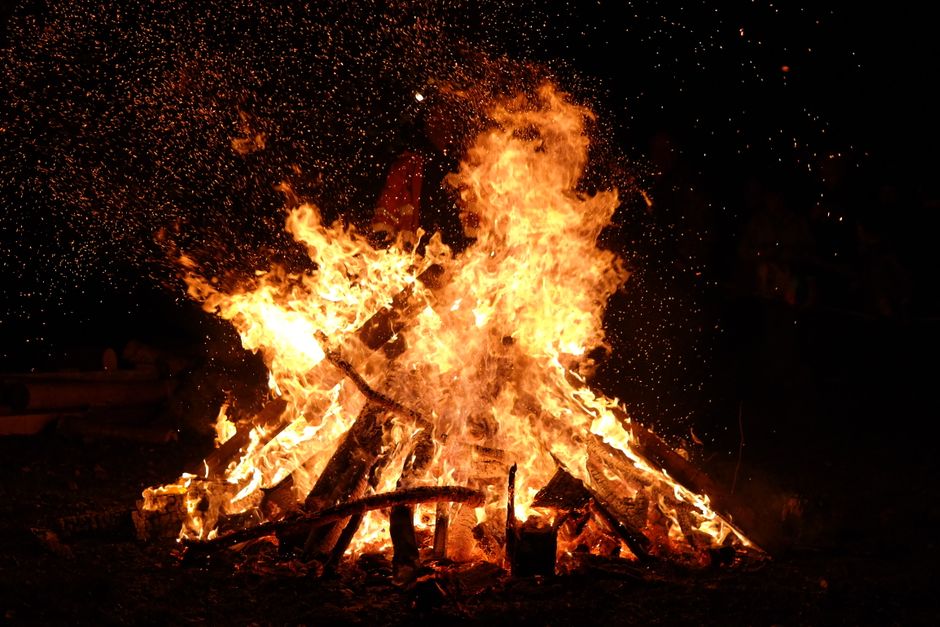
Bwiti initiation is not therapy. It is an encounter — typically involving a full night of ceremony, music including the Ngombi harp, fire, and sustained engagement with a high dose of root bark. The sonic environment is considered integral to the process. The music is not background.
The Western clinical use of ibogaine — the primary alkaloid isolated from iboga root bark — developed separately. Researchers in the 1960s observed its effects on opioid withdrawal, and formal clinical research has been expanding since the 2023 Stanford study. The two lineages are distinct. Neither replaces the other.
ExploreBwiti's work is grounded in the Bwiti tradition. That means the ceremonial structure, the approach to the medicine, and the understanding of what is encountered during ceremony all draw on a framework that is centuries old — not on a clinical protocol that uses iboga as a delivery vehicle for a therapeutic intervention.
Read more about this history in the guide to iboga and the Bwiti tradition.

What Happens During an Iboga Retreat
The structure at ExploreBwiti proceeds as follows.
Before arrival: Medical screening — full medical history, EKG, blood panel, and review of all current medications — takes place before the retreat begins. Candidates who are not medically appropriate are identified at this stage and do not proceed. Dietary guidelines begin 2–4 weeks before ceremony. Abstaining from alcohol, recreational drugs, and non-prescribed medications is required during this period.
Arrival and preparation: The ceremonial space is established. Intention is named. The facilitator reviews what to expect and what support is available throughout. The medicine is not administered until preparation is complete.
The ceremony (12–24 hours): Iboga root bark or total alkaloid extract is administered. Effects typically begin within 45–90 minutes. The visionary phase — in which autobiographical and symbolic content is most prominent — runs approximately 4–8 hours. The introspective phase follows. It is less visual, more internal, and often where the most significant processing occurs. A facilitator and on-site medical professional are present throughout the full ceremony duration.
Recovery (2–3 days): Sleep is disrupted during the first 24–48 hours — this is expected and is part of the process. Light meals, rest, and structured time. Integration conversations begin during this period.
Before departure: An integration plan is established. Noribogaine remains active for weeks. The neuroplasticity window this creates is the period during which lasting change is most available. Leaving without a plan for how to use it is one of the most consistent ways a profound ceremony produces no durable result.
The 2023 Stanford study, published in Nature Medicine, found 88% average reductions in PTSD symptoms and 87% reductions in depression at one month post-treatment in 30 treatment-resistant veterans — past the point when both ibogaine and noribogaine had substantially cleared the body. The improvements being measured were not an acute pharmacological effect.
Medical Screening: What It Involves and Why It Is Mandatory
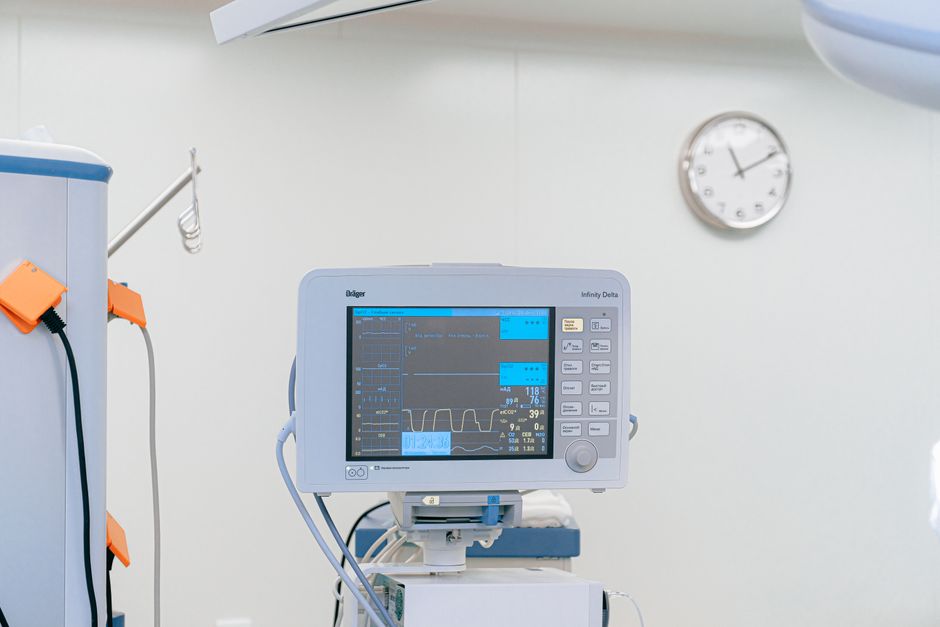
Ibogaine is cardioactive. It prolongs the QT interval — the phase of the cardiac cycle during which the ventricles repolarise. In people with pre-existing cardiac conditions, this prolongation can trigger arrhythmia. This is the mechanism behind the fatalities that have occurred during ibogaine administration — and the reason cardiac screening before any iboga ceremony is not optional.
Medical screening at ExploreBwiti includes:
- Full medical history review
- EKG and cardiovascular assessment
- Blood panel — liver function, kidney function, CBC
- Review of all current medications
- Psychiatric history assessment
Any provider offering iboga ceremony without requiring an EKG is not operating safely. This is not a strong preference — it is a factual statement about the pharmacology. The people most urgently seeking this medicine are often the people for whom the cardiac risk is highest, because years of addiction and pharmaceutical exposure leave physiological marks. Screening identifies those people before ceremony. The alternative is identifying them during it.
Texas committed $50 million to clinical ibogaine trials at UTMB, UTHealth Houston, Texas A&M, and Baylor following the Stanford results. Clinical rigour at that level is not separate from what happens in individual ceremonies. It is the same principle applied at different scales.

Integration After an Iboga Retreat
The ceremony is not the treatment. The ceremony is the beginning of the treatment.
The patterns that drove the condition being addressed — whether addiction, PTSD, or depression — developed over years. They are embedded in relationships, environments, and unaddressed conditions that the ceremony alone does not change. What the ceremony does is reduce the force with which those patterns operate and create a window during which new patterns are more accessible.
The people who make lasting use of iboga ceremony are those who treat the neuroplasticity window seriously. They restructure what can be restructured. They do not return immediately to the same environment that produced the problem. The people who return to unchanged conditions — without integration support — tend to find, six weeks later, that what felt like the beginning of something different has quietly reasserted itself. The contrast between what was possible and what was chosen then becomes its own kind of weight.
This is not a comment on the medicine. It is a description of what happens when a ceremony is treated as an endpoint rather than an opening.
Integration coaching at ExploreBwiti costs $150–$300 CAD per session and is available in packages of three or more sessions. We consider it part of the process. The integration page describes what that work involves specifically.
Who an Iboga Retreat Is Not For
This is the section most providers skip. It is the most important one.
Absolute medical contraindications for ibogaine and whole-plant iboga:
- QT prolongation, significant cardiac arrhythmia, or recent myocardial infarction — ibogaine prolongs the QT interval and can trigger fatal arrhythmia in people with pre-existing cardiac conditions
- Current SSRIs or SNRIs — the risk of serotonin syndrome is real and potentially fatal. This is an absolute contraindication, not a preference. A supervised taper, conducted with the prescribing physician, is required before ceremony is possible — the timeline depends on the specific medication and dosage
- Severe liver or kidney disease — ibogaine is metabolised by the liver; compromised function creates unpredictable pharmacokinetics
- Active psychosis or schizophrenia spectrum disorder — the experience amplifies what is present. Acute psychiatric instability does not become stability during iboga ceremony
- Methadone — a specific medically supervised transition protocol is required before ceremony is possible. This takes weeks. There is no shortcut
- Lithium and certain other psychiatric medications — require case-by-case medical review
- Pregnancy
Beyond the medical contraindications, there are situational ones:
- Acute psychiatric crisis — someone in a state of acute crisis is not an appropriate candidate for ceremony at that moment, regardless of how much they want it. The experience amplifies what is present. We tell people this directly, and sometimes they do not want to hear it
- People seeking an experience rather than change — the medicine tends to deliver what is needed rather than what is wanted. People who come expecting a shortcut to insight tend to leave with something more uncomfortable than they anticipated. The medicine does not accommodate that particular agenda
If you are not an appropriate candidate, we will tell you directly. We would rather lose a potential participant than put someone at risk.
The FAQ covers the full contraindication list in detail, including what to do if you are currently on SSRIs and want to pursue this work.
Is an Iboga Retreat Right for You?
An iboga retreat is appropriate for people who have been doing the work — through therapy, through recovery, through sustained effort of some kind — and remain stuck. Not people seeking a first resort. Not people in acute crisis who need a different kind of stabilisation first. Not people primarily looking for an intense experience.
If you are currently on SSRIs, the path to ceremony begins with a supervised taper. That takes time and must happen with medical oversight. If you have a cardiac history, screening will determine candidacy. If you have questions about your specific situation, the application is where that conversation begins. We respond personally to every application within 2–3 business days.
Read the ceremony page for what iboga ceremony at ExploreBwiti specifically involves. The preparation guide covers what the weeks before ceremony require. The integration page covers what comes after. For context on the medicine's origins and the broader situation surrounding it, the National Geographic investigation into ibogaine and the iboga trade is worth reading.
Frequently asked questions
How long does an iboga retreat last?
An iboga retreat at ExploreBwiti runs 3–7 days in total. The active ceremony is 12–24 hours. Recovery takes 2–3 days. Noribogaine, the active metabolite, remains biologically present for weeks to months following the ceremony and continues influencing mood, craving, and neuroplasticity throughout that period.
How much does an iboga retreat cost in Canada?
Iboga ceremony at ExploreBwiti in Vancouver costs $2,000–$5,000 CAD. This includes on-site medical professional, the medicine, and facilitation. Integration coaching is $150–$300 CAD per session and is available in packages of three or more sessions. Providers charging significantly below these ranges are typically reducing medical safety infrastructure, not being generous.
Is iboga legal in Canada?
Ibogaine is not listed under Canada's Controlled Drugs and Substances Act and is not approved for medical use. It is not explicitly prohibited — a meaningfully different legal position from the United States (Schedule I) or the United Kingdom (Class A). A small number of providers operate legally in British Columbia. Consult a legal professional if you have specific concerns about your situation.
What is the Bwiti tradition and what does it have to do with iboga?
The Bwiti tradition is an initiatory practice from West-Central Africa — primarily Gabon — in which iboga root bark has been used for centuries as a sacrament. Knowledge is transmitted through ceremony, music, and direct experience rather than doctrine. ExploreBwiti's work is grounded in this tradition, not in clinical protocols that use iboga primarily as a pharmacological vehicle.
Can I attend an iboga retreat if I am currently on antidepressants?
No — not without first completing a supervised taper. SSRIs and SNRIs are absolute contraindications for ibogaine due to the risk of serotonin syndrome, which can be fatal. A supervised taper, conducted with the prescribing physician, is required before ceremony is possible. The timeline varies by medication and dosage. Do not attempt to taper without medical supervision, and do not accept any provider who suggests simply stopping medication a few days before ceremony.
What makes an iboga retreat dangerous?
The primary risk is cardiac: ibogaine prolongs the QT interval, which can produce fatal arrhythmia in people with pre-existing cardiac conditions. EKG screening before ceremony identifies this risk. The fatalities that have occurred during ibogaine treatment are concentrated among providers who did not conduct cardiac screening. The second significant risk is pharmacological: combining ibogaine with SSRIs, SNRIs, or lithium can produce fatal outcomes. Medical screening identifies both categories of risk before ceremony begins.
What happens if I skip integration after an iboga retreat?
The ceremony opens a neuroplasticity window — a period during which new patterns are more accessible and old patterns less entrenched. Noribogaine sustains this window for weeks to months. Without deliberate integration work, people typically return to the same environments and relationships that produced the original condition, and the original patterns reassert. What felt like the beginning of something different gradually becomes an unusually vivid memory. The ceremony was the window. Integration is the work done while it is open.
How is an iboga retreat different from an ayahuasca or psilocybin retreat?
An iboga retreat involves 12–24 hours of active ceremony and 2–3 days of recovery. Ayahuasca and psilocybin sessions run 4–6 hours with same-day recovery. Ibogaine acts simultaneously on opioid, NMDA, dopamine, and serotonin receptor systems, producing autobiographical memory review rather than primarily visual content. The cardiac contraindications for ibogaine are more extensive than for either ayahuasca or psilocybin. The medicines address different presentations and are not alternatives to each other.