Ibogaine treatment is the medically supervised administration of ibogaine — the primary psychoactive alkaloid of the Tabernanthe iboga root bark — for the treatment of addiction, PTSD, and treatment-resistant depression. It is not approved for medical use in Canada or the United States. The research supporting it has advanced significantly since 2023 and is no longer fringe.

What is ibogaine?
Ibogaine is an alkaloid derived from the root bark of Tabernanthe iboga, a shrub native to the rainforests of Central Africa — primarily Gabon and Cameroon. The root bark has been used ceremonially by the Bwiti peoples for centuries. Not as a recreational substance. As a tool for psychological and spiritual examination — one that predates Western pharmacology by generations.
In Western treatment contexts, ibogaine is administered either as a total alkaloid extract (the full range of iboga alkaloids, closer to the traditional ceremonial preparation) or as isolated ibogaine hydrochloride (more common in clinical research settings). The two are related but produce distinct experiences.
The compound is pharmacologically unusual. It does not belong to any existing drug category. It is not an opioid. It is not a classic serotonergic psychedelic. What makes it difficult to categorise is also what makes it different from everything else available.
For the full account of iboga's origins and the tradition that surrounds it, read our guide to the Bwiti tradition and the sacred root bark.

What does ibogaine treat?
Addiction — opioids, alcohol, stimulants
Opioid dependence is the condition with the strongest evidence base for ibogaine. Ibogaine appears to interrupt opioid withdrawal with unusual effectiveness — attenuating or eliminating the acute withdrawal syndrome that makes detoxification so physically demanding. It also reduces craving and compulsive use beyond the acute treatment window, likely through the extended activity of noribogaine — ibogaine's metabolite, which remains biologically active for weeks to months.
Beyond opioids, ibogaine has been used in alcohol dependence, stimulant addiction, and other substance use disorders. The neurological mechanisms it engages apply across substances, not only opioids. For a detailed breakdown of the addiction research, read what the research shows on ibogaine and opioid addiction.
PTSD
PTSD — particularly treatment-resistant PTSD in combat veterans — is where the most striking recent data sits. The 2023 Stanford study examined ibogaine treatment in 30 special operations veterans with PTSD, traumatic brain injury, and treatment-resistant depression. These were people who had not been adequately helped by conventional approaches. At one month post-treatment, PTSD symptoms decreased by an average of 88%, depression by 87%, and anxiety by 81%.
In conventional antidepressant research, a 50% reduction in depression scores is considered a strong response. An 87% average reduction — in a treatment-resistant population — is not a marginal finding. For the full breakdown of what the Stanford data shows, and what it does not show, read the Stanford ibogaine study page.
Treatment-resistant depression and anxiety
Ibogaine's interaction with the serotonin system produces antidepressant and anxiolytic effects that outlast the active experience by weeks to months. For people who have not responded to SSRIs, SNRIs, or other psychiatric medications, ibogaine engages mechanisms those medications do not reach. It is not a replacement for psychiatric care — but for people who have exhausted that route, it represents a different mechanism of action entirely.

How does ibogaine work?
Ibogaine does not fit into any standard pharmacological category because it engages multiple neurological systems simultaneously — dopamine, serotonin, acetylcholine, NMDA receptors, and sigma receptors. Most psychiatric medications target one system. Ibogaine does not. This is what makes it pharmacologically unusual and what produces effects qualitatively different from anything in the existing pharmacopoeia.
For addiction specifically, the most relevant mechanisms are:
- Resetting dopamine receptor sensitivity — the primary driver of craving and compulsive use across most addictions
- Attenuating mu-opioid receptor activity — which interrupts the physiological basis of opioid withdrawal
- Activating GDNF (glial cell line-derived neurotrophic factor) — a growth factor involved in the repair and resilience of dopamine neurons
After the active experience — 12–24 hours — ibogaine converts to noribogaine. Noribogaine is biologically active for weeks to months after treatment, continuing to interact with serotonin transporters and opioid receptors. This extended window is the most plausible explanation for why ibogaine's effects persist well beyond the ceremony.
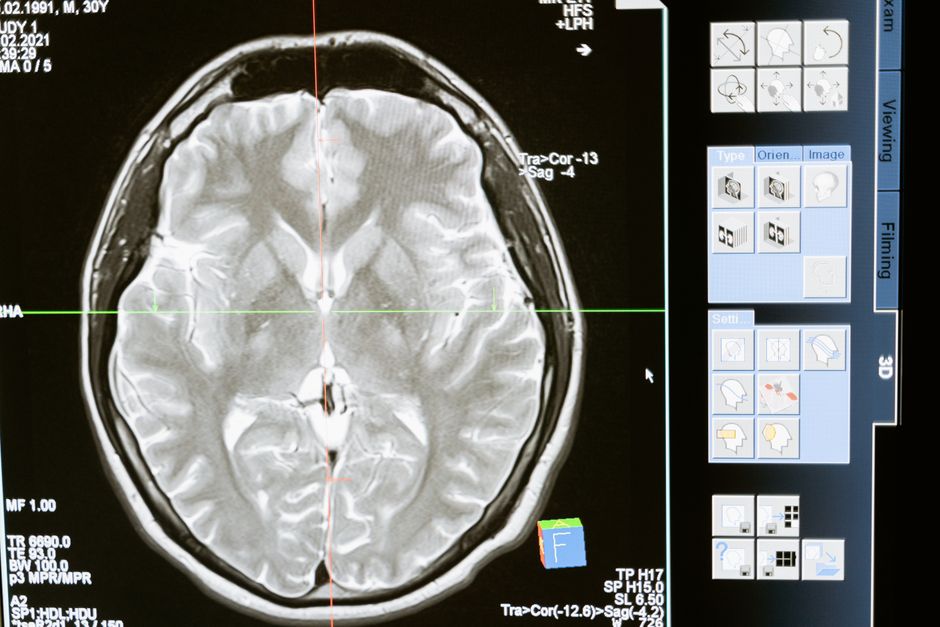
What does the research show?
The Stanford study is the most prominent recent piece of ibogaine research, but the evidence base extends beyond it. A systematic review published in the Journal of Psychoactive Drugs examined multiple studies of ibogaine in opioid dependence across different populations and settings — finding consistent reductions in withdrawal symptoms and drug use at follow-up. The methodological limitations (small sample sizes, no randomised controlled trials) reflect the obstacles to researching a controlled substance, not the quality of the observations.
The people in the Stanford study were not naive volunteers. They were special operations veterans who had already sought help through conventional channels — therapy, medication, inpatient programmes — without adequate relief. The fact that ibogaine produced 88% reductions in PTSD symptoms in that population is notable precisely because of who the population was.
Following the Stanford results, the state of Texas committed $50 million USD to clinical ibogaine trials at UTMB, UTHealth Houston, Texas A&M University, and Baylor University. States do not allocate $50 million to fringe treatments. The full landscape of research and press coverage is on the press and research page.
What are the risks of ibogaine treatment?
Ibogaine carries real risk. This is not a disclaimer — it is the reason medical screening is required, not optional.
The primary concern is cardiac: ibogaine prolongs the QT interval, which can produce fatal arrhythmia in people with certain pre-existing cardiac conditions. EKG and cardiovascular assessment are how providers identify these people before ceremony. Any provider offering ibogaine treatment without cardiac screening is not operating safely — this is not a grey area, and it is not a debatable point.
Other risks include:
- Serotonin syndrome — when ibogaine is combined with SSRIs, SNRIs, or certain other medications. This interaction can be fatal. SSRIs and SNRIs are absolute contraindications.
- Psychological overwhelm — the experience lasts 12–24 hours and cannot be shortened. People who enter without adequate psychological stability or preparation are at risk of destabilisation that extends beyond the ceremony.
- Unscreened providers — the most significant risk in the ibogaine field is not the medicine itself, administered properly. It is ibogaine administered without cardiac screening, without on-site medical personnel, and without thorough intake. The medicine does not become unsafe on its own — it becomes unsafe without the infrastructure that makes it safe.
Under appropriate medical supervision — cardiac screening completed, qualified medical professional on site for the duration, thorough pre-ceremony intake — serious adverse events are rare. Without that supervision, they are not.

What does ibogaine treatment involve?
Medical screening
Before any ceremony, comprehensive medical screening is required. This is not a formality — it is how safe treatment is distinguished from unsafe treatment. At minimum, screening must include:
- Full medical history review
- EKG and cardiovascular assessment
- Blood panel — liver function, kidney function, full blood count
- Review of all current medications
- Psychiatric history assessment
If you are currently taking SSRIs or SNRIs, a supervised taper — conducted in coordination with your prescribing physician — is required before treatment is possible. The timeline varies by medication and dosage; some require weeks, others require months.
The experience
The ibogaine experience lasts 12–24 hours. The first phase typically involves extended autobiographical memory review — a direct encounter with the significant events, decisions, and patterns of a person's life. The second phase is rest and processing. Physical effects include nausea, ataxia, and sensitivity to light and sound throughout.
The experience is not comfortable. It tends to show you what you have been avoiding, not what you hoped to find. People who enter expecting a pleasant or expansive experience are consistently surprised by how direct it is.
Recovery and integration
Recovery takes 2–3 days. Noribogaine remains biologically active for weeks to months post-ceremony, making the integration period essential to outcomes. The ceremony opens a window — a period of reduced craving, increased neuroplasticity, and heightened capacity for change. Integration is the deliberate work done while that window is open. Without it, even a profound ceremony fades into an unusually vivid memory.
For a detailed account of what integration involves and why it determines long-term outcomes, read the integration page or the post on integration after plant medicine.
Who ibogaine treatment is not for
Ibogaine treatment is not appropriate for everyone who wants it. This is worth stating directly because the people who are most desperate to access this medicine are sometimes the people for whom it is currently contraindicated.
- Cardiac conditions — QT prolongation, significant arrhythmia, or recent myocardial infarction are absolute contraindications. Screening identifies this before ceremony, not after.
- Current SSRIs or SNRIs — not negotiable. A supervised taper is required first.
- Acute psychiatric crisis — active suicidal ideation, florid psychosis, or significant instability. The experience amplifies what is present. Entering it in a state of acute instability does not produce stability.
- Methadone — a specific transition protocol is required before ceremony is possible.
- Severe liver or kidney disease — absolute contraindication.
- Pregnancy.
If you fall into one of these categories, we will tell you during intake — directly and without softening it. We would rather turn someone away than facilitate an unsafe ceremony.
How much does ibogaine treatment cost?
In Mexico — where ibogaine is unscheduled and established clinics operate openly — costs typically range from USD $3,000–$10,000 for a full treatment programme including medical supervision and post-ceremony support.
At ExploreBwiti in Vancouver, BC:
- Iboga ceremony: $2,000–$5,000 CAD — includes on-site medical professional, medicine, and ceremony facilitation
- 5-MeO-DMT ceremony: $600–$1,500 CAD
- Integration coaching: $150–$300 CAD per session
Providers charging significantly below these ranges are almost always reducing safety infrastructure, not being generous. The cost of an on-site medical professional, cardiac screening, and the medicine itself is real. That cost does not disappear — it is either paid by the provider or it is not paid, in which case someone else bears it.

Is ibogaine legal in Canada?
Ibogaine is not listed under Canada's Controlled Drugs and Substances Act and is not approved for medical use. It is also not explicitly prohibited — a meaningfully different position from the United States, where ibogaine is a Schedule I controlled substance, or the United Kingdom, where it is Class A.
The regulatory landscape is moving. The Stanford results, Texas's $50 million commitment to clinical trials, and ongoing registered clinical trials indicate direction. Consulting a legal professional is recommended if you have specific concerns about ibogaine's regulatory status as it applies to your situation.
How to access ibogaine treatment in Vancouver
If you are in Canada and are considering ibogaine treatment, the first step is not booking a ceremony. It is a screening conversation — an honest exchange about whether this path is appropriate for your specific history, medications, and current state.
At ExploreBwiti in Vancouver, we work with a small number of participants at a time. The intake is thorough. We take the time to understand who you are before any ceremony is considered. Start with the FAQ and the ceremony page. If those read as relevant to your situation, complete the application form to begin that conversation.
Frequently asked questions
Is ibogaine treatment legal in Canada?
Ibogaine is not listed as a controlled substance under Canada's Controlled Drugs and Substances Act and is not approved for medical use. It is not explicitly prohibited — a meaningfully different position from the United States (Schedule I) or the UK (Class A). Consulting a legal professional is recommended if you have specific concerns.
Does ibogaine treatment work for addiction?
The evidence base for ibogaine in opioid dependence is consistent across multiple studies — significant reductions in withdrawal symptoms and drug use at follow-up. The 2023 Stanford study found 88% reductions in PTSD symptoms and 87% reductions in depression in treatment-resistant veterans at one month post-treatment. Long-term addiction outcomes depend significantly on the quality of integration support after treatment. Ibogaine is not a cure — it is a window during which lasting change is more possible.
What does ibogaine treatment feel like?
The experience lasts 12–24 hours and typically involves extended autobiographical memory review — a direct encounter with the significant events and patterns of a person's life. Physical effects include nausea, ataxia, and sensitivity to light and sound. It is not comfortable. The experience tends to show people what they have been avoiding, not what they hoped to find.
Can ibogaine treat PTSD?
Yes — the 2023 Stanford study in Nature Medicine documented an 88% average decrease in PTSD symptoms at one month post-treatment in a cohort of special operations veterans with treatment-resistant PTSD. This is the most prominent clinical evidence to date. The state of Texas subsequently committed $50 million to clinical ibogaine trials at four major research institutions.
Can I do ibogaine treatment while on antidepressants?
No. SSRIs and SNRIs are absolute contraindications for ibogaine treatment due to the risk of serotonin syndrome, which can be fatal. A supervised taper — conducted in coordination with your prescribing physician — is required before treatment is possible. There are no exceptions to this.
How much does ibogaine treatment cost in Canada?
At ExploreBwiti in Vancouver, iboga ceremony costs $2,000–$5,000 CAD depending on what the treatment requires. 5-MeO-DMT ceremony is $600–$1,500 CAD. Integration coaching is $150–$300 CAD per session. Pricing is discussed transparently during the intake process.
What are the risks of ibogaine treatment?
The primary risk is cardiac: ibogaine prolongs the QT interval, which can produce fatal arrhythmia in people with pre-existing cardiac conditions. This is why EKG screening is required before any treatment. Other risks include serotonin syndrome (when combined with SSRIs or SNRIs) and psychological destabilisation in people who are not adequately prepared or screened. Under appropriate medical supervision, serious adverse events are rare. Without it, they are not.
How long does ibogaine treatment last?
The active ceremony lasts 12–24 hours. Physical recovery takes 2–3 days. Noribogaine — ibogaine's active metabolite — remains biologically active in the body for weeks to months. The integration period, during which the work of translating ceremonial insight into lasting change happens, continues for weeks to months after that.