Ibogaine treatment in Canada costs $2,000–$5,000 CAD for an iboga ceremony and $600–$1,500 CAD for a 5-MeO-DMT ceremony. In Mexico, established clinical providers charge USD $3,000–$10,000 for a full programme including medical supervision and post-ceremony support. The variation in cost reflects what is or is not included — and what is missing from the cheaper end is not a discount. It is removed safety infrastructure.
Ibogaine treatment typically costs $2,000–$5,000 CAD in Canada and USD $3,000–$10,000 in Mexico for a full clinical programme. The cost reflects what must be included: cardiac screening, an on-site medical professional for the full 12–24 hour ceremony, pre-ceremony blood work, and the medicine. Providers charging significantly below these figures are almost always missing one of these.
What ibogaine treatment costs, by location
Most ibogaine treatment sought by people in North America takes place in one of three locations: Canada, Mexico, or — less commonly — Gabon, where the Bwiti tradition originated. Cost varies significantly by location and by what each provider includes.
Canada
Ibogaine is not scheduled under Canada's Controlled Drugs and Substances Act. A small number of ceremonially-rooted providers operate in British Columbia. At ExploreBwiti in Vancouver:
- Iboga ceremony: $2,000–$5,000 CAD — includes on-site medical professional, medicine, and facilitation
- 5-MeO-DMT ceremony: $600–$1,500 CAD — full facilitation included
- Integration coaching: $150–$300 CAD per session (60–90 minutes; packages of 3+ sessions available)
Where in the range the cost falls depends on what the individual's situation requires — complexity of screening, the duration of support, and whether additional sessions are warranted.
Mexico
Mexico has the largest concentration of ibogaine providers in the Western Hemisphere, primarily in Baja California. Established clinical providers with full medical infrastructure typically charge USD $3,000–$10,000 for a complete programme. Providers at the lower end of this range should be asked specifically what is and is not included. Being in Mexico tells you nothing about safety quality — the right questions do.
Gabon
Gabon is where iboga originates. Traditional Bwiti initiation is available through a small number of practitioners. This is not a healing retreat in the Western sense — it is a demanding initiatory process with specific cultural and logistical requirements. Cost is not the primary variable here.

What the cost must include
"Must" is the operative word. There is a short list of things that legitimate ibogaine treatment includes regardless of where it occurs. If any of these is absent or presented as optional, the cost is not lower. The risk has been transferred to the participant.
- Cardiac screening including EKG — ibogaine prolongs the QT interval, which can cause fatal arrhythmia in people with certain pre-existing cardiac conditions. EKG identifies this before ceremony, not during it.
- Blood panel — liver function, kidney function, and full blood count. Ibogaine is metabolised by the liver; impaired liver function affects both safety and outcome.
- Full medical history and medication review — SSRIs and SNRIs are absolute contraindications due to risk of serotonin syndrome. Methadone requires a transition protocol. Several other medications interact seriously with ibogaine. This review is not bureaucracy. It is how life-threatening drug interactions are identified before ceremony.
- Psychiatric history assessment — active psychosis, acute suicidal ideation, and significant instability are contraindications. Ibogaine amplifies what is present.
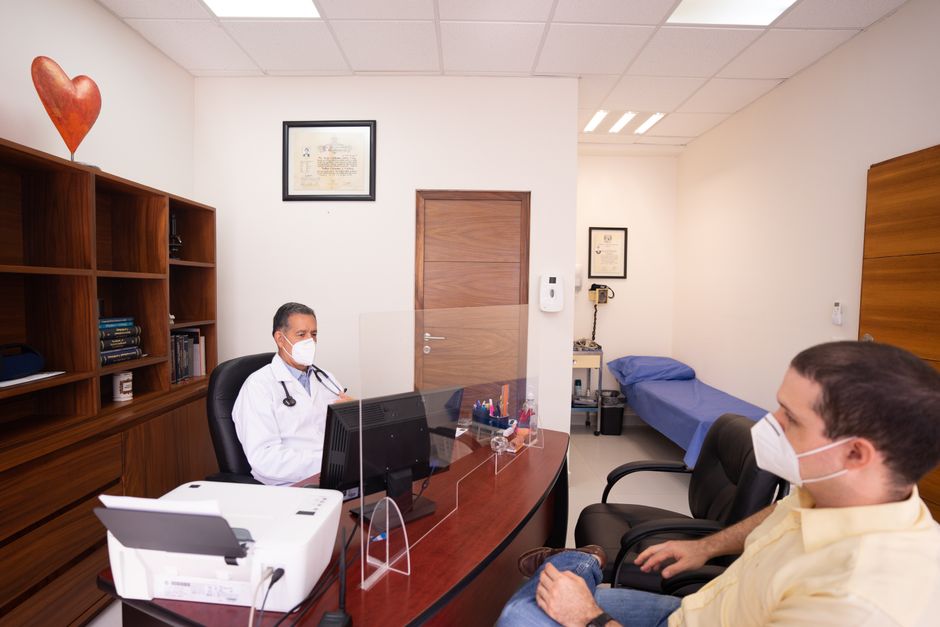
- On-site medical professional for the full ceremony — not on call nearby. Present. For the full 12–24 hours. A cardiac event does not wait for someone to drive over.
- The medicine itself — ibogaine hydrochloride or total alkaloid extract, dosed appropriately for the individual.
Integration support — the work done after ceremony that largely determines long-term outcomes — should also be part of what a provider offers.
For a complete breakdown of what to look for and ask any provider before booking, read the guide to choosing a safe iboga retreat.
Canada vs Mexico: what you're paying for
The practical question for most people in North America is Canada or Mexico. The relevant differences are legal, logistical, and operational — not necessarily clinical.
Mexico's regulatory environment allows licensed providers to operate clinical facilities with pharmaceutical-grade compounds, on-site nursing staff, and medical monitoring equipment. Many providers do. The range of quality is enormous. The presence of a clinical facility does not indicate adequate cardiac monitoring. Asking specific questions about EKG protocols, on-site medical credentials, and emergency response procedures does.
Canada's position is distinct: not scheduled, not approved, and not explicitly prohibited. Providers in British Columbia operate in a different regulatory environment — smaller groups, more personalised, often more integrated with the ceremonial tradition than a clinical model. The screening requirements are no less rigorous. For Canadian residents, proximity is a practical advantage. For some people, the ceremonial context is not incidental to what they are seeking — it is central to it.
The question is not which country produces better ibogaine treatment. The question is whether this specific provider, wherever they operate, has the infrastructure to make this safe. That infrastructure costs money. It is what the cost of ibogaine treatment actually reflects.

Why below-market cost is a red flag
The cost of what must be present — an on-site medical professional, cardiac screening equipment, a comprehensive intake process, and the medicine — has a floor. That floor is not lowered by efficiency. It is lowered by removing something.
Providers charging significantly below market rate are almost always reducing safety infrastructure, not being generous. A $500 ibogaine ceremony is not a bargain. It is a ceremony without something. The most likely candidates for what is missing: cardiac monitoring, an on-site medical professional, thorough screening, or all three. The people most likely to seek a $500 ibogaine ceremony are often people with the fewest other options — which is precisely who needs the safety infrastructure to be intact.
The fatalities that have occurred during ibogaine treatment are concentrated among providers who did not screen for cardiac contraindications before ceremony. EKG adds to the cost. It also adds the capacity to identify elevated cardiac risk before ceremony rather than during it — when intervention is more difficult and the window for safe response has narrowed.
The 2023 Stanford study in Nature Medicine — which documented 88% reductions in PTSD symptoms and 87% reductions in depression at one month in a cohort of treatment-resistant special operations veterans — was conducted with full cardiac monitoring and rigorous medical oversight. Those results did not occur despite the safety infrastructure. They occurred with it.

The cost of integration
The ceremony is not the endpoint. Ibogaine produces a neurological window — a period during which noribogaine, ibogaine's active metabolite, remains biologically active and the brain's capacity for new pattern formation is elevated. This window lasts weeks to months. What happens in it largely determines the long-term outcome.
People who return immediately to the same environment, relationships, and unaddressed conditions that produced their difficulties — without deliberate integration work — often find themselves back where they started. Not because the ceremony failed. Because the window was not used. The ceremony opened something. Nothing was done with it before it closed.
Integration coaching at $150–$300 CAD per session is not an optional upgrade to the ceremony. Most people working through a substantive ibogaine experience benefit from several sessions — more if the integration is complex. This cost is not included in ceremony pricing at most providers, including here. It should be part of anyone's planning from the outset.
The integration page and the post on integration after plant medicine detail what this process involves and why it is not separable from the ceremony itself.

Who ibogaine treatment is not for
The most important thing to understand about the cost of ibogaine treatment is that, for some people, cost is not the relevant barrier. Contraindications are.
Ibogaine treatment is not appropriate for people with:
- QT prolongation, significant cardiac arrhythmia, or recent myocardial infarction — absolute contraindications. EKG screening is how these are identified before ceremony.
- Current SSRIs or SNRIs — absolute contraindication. The risk of serotonin syndrome is real and potentially fatal. A supervised taper, conducted with your prescribing physician, is required before ceremony is possible. The timeline varies — weeks to months depending on the medication and dosage.
- Methadone — a specific transition protocol is required. This is not an immediate process.
- Active psychosis or schizophrenia spectrum disorder — ibogaine amplifies what is present. Acute instability does not become stability through ceremony.
- Severe liver or kidney disease — ibogaine's metabolic pathway makes this an absolute contraindication.
- Pregnancy — absolute contraindication.
If you are in one of these categories, the conversation about cost is premature. The intake conversation happens first. We tell people when ibogaine is not appropriate for them — directly, without softening it — because the alternative is unsafe. The FAQ covers contraindications in detail.

Accessing ibogaine treatment in Vancouver
At ExploreBwiti in Vancouver, BC, the intake begins with a screening conversation — not a sales conversation. Medical history, current medications, cardiac health, psychiatric history, and an honest assessment of whether this work is appropriate for you at this time. We work with a small number of participants. Every application is reviewed personally.
What is included in the ceremony cost is not negotiable: on-site medical professional for the full duration, cardiac screening, blood work, and facilitation. These are not add-ons. They are the baseline below which we do not operate.
If you are in Canada and considering ibogaine treatment, start with the FAQ and the ceremony page. If those are relevant to your situation, complete the application to begin the intake conversation. We respond personally within 2–3 business days. For context on where the research stands, registered ibogaine clinical trials on ClinicalTrials.govare worth reviewing — Texas has committed $50 million to ibogaine research at UTMB, UTHealth Houston, Texas A&M, and Baylor, and the field is not standing still.
Frequently asked questions
How much does ibogaine treatment cost in Canada?
At ExploreBwiti in Vancouver, iboga ceremony costs $2,000–$5,000 CAD, including on-site medical professional, medicine, and facilitation. 5-MeO-DMT ceremony is $600–$1,500 CAD. Integration coaching is $150–$300 CAD per session. Pricing is discussed transparently during the intake process.
How much does ibogaine treatment cost in Mexico?
Established clinical ibogaine providers in Mexico (primarily Baja California) typically charge USD $3,000–$10,000 for a full programme including medical supervision and post-ceremony support. Quality varies significantly — cost alone is not a reliable indicator of safety. Ask specifically about cardiac screening protocols and on-site medical credentials.
What does the cost of ibogaine treatment include?
At a properly run operation: cardiac screening including EKG, blood panel (liver function, kidney function, CBC), full medical history and medication review, psychiatric history assessment, on-site medical professional for the full 12–24 hour ceremony, and the medicine. Integration support should also be part of what a provider offers.
Is cheap ibogaine treatment safe?
No. Providers charging significantly below the $2,000–$10,000 range are almost always reducing safety infrastructure. The fatalities that have occurred during ibogaine treatment are concentrated among providers who skipped cardiac screening. Below-market cost almost always reflects reduced cardiac monitoring, absent or unqualified on-site medical personnel, or inadequate screening.
Does insurance cover ibogaine treatment?
No. Ibogaine treatment is not covered by insurance in Canada or the United States. It is not approved for medical use in either country. The cost is an out-of-pocket expense.
What is not included in ibogaine treatment costs?
Integration coaching is typically not included in ceremony pricing ($150–$300 CAD per session at ExploreBwiti). Travel, accommodation if ceremony is not local, and any pre-ceremony medical tests conducted through your own physician may also be separate. These should be factored into total planning.
Who is not an appropriate candidate for ibogaine treatment?
People with QT prolongation, significant cardiac arrhythmia, or recent myocardial infarction; those currently on SSRIs or SNRIs (supervised taper required first); people on methadone without a transition protocol; those with active psychosis or schizophrenia spectrum disorder; severe liver or kidney disease; and pregnant people. These are contraindications, not preferences.
How does ibogaine treatment cost compare to other addiction treatments?
A 30-day residential addiction treatment programme in Canada typically costs $10,000–$30,000 CAD. Ibogaine treatment at $2,000–$5,000 CAD is considerably less. The 2023 Stanford study documented 88% reductions in PTSD symptoms and 87% reductions in depression at one month post-treatment in a treatment-resistant population — results that do not appear in residential programme research.