Opioid addiction is not a moral failing. It is a neurological condition — a restructuring of the brain's reward, motivation, and stress systems driven by sustained exposure to opioid compounds. Understanding this is important because it changes the question from "why can't this person just stop?" to "what would it actually take to reverse these neurological changes?"
The conventional answers have been medication-assisted treatment (methadone, buprenorphine), behavioural therapy, and abstinence-based recovery programmes. All have their place. None of them address the underlying neurological changes in the way that ibogaine does.
Ibogaine treats opioid addiction by resetting dopamine receptor sensitivity, attenuating withdrawal symptoms, and stimulating GDNF — a growth factor tied to dopamine neuron repair. The 2023 Stanford study found 88% average reductions in PTSD symptoms and 87% in depression at one month post-treatment in veterans with opioid use histories. It is a neurological reset, not a cure — what happens in the weeks after determines lasting outcome.

How opioid addiction changes the brain
The brain's natural opioid system — mediated by endorphins and endogenous opioid receptors — is responsible for pain regulation, reward, and emotional bonding. When exogenous opioids flood this system over time, the brain adapts by downregulating its own opioid production and reducing receptor sensitivity.
The result is a system that now requires external opioids just to feel normal. Without them, the brain enters a state of acute withdrawal: anxiety, pain, dysphoria, insomnia, and cravings that feel physiologically overwhelming. This is not a choice or a weakness — it is the predictable output of a system that has been rewired.
Beyond the opioid system itself, chronic opioid use also alters the dopamine system — the brain's primary mechanism for anticipating and experiencing reward — and the prefrontal cortex, which is responsible for impulse control, decision-making, and the capacity to delay gratification. These changes persist long after the acute withdrawal phase, which is why relapse rates in opioid addiction remain high even among people who are genuinely motivated to stop.
Where ibogaine intervenes
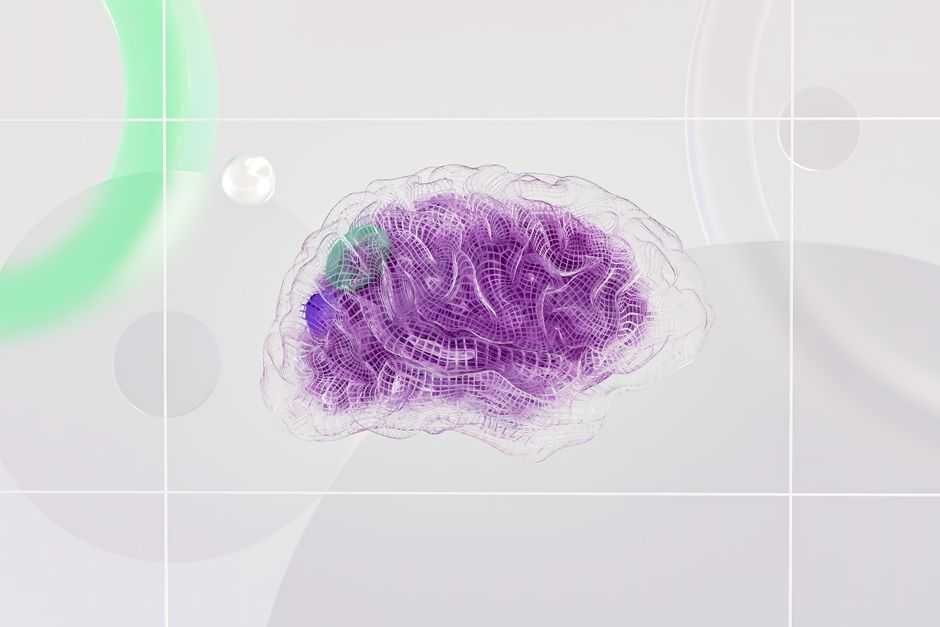
Ibogaine works on multiple neurological systems simultaneously, which is what makes it pharmacologically unusual. It is not simply a replacement opioid. It is not an antagonist that blocks opioid receptors. It interacts with the dopamine system, the serotonin system, the acetylcholine system, and the sigma receptors — essentially performing a kind of neurological reset that disrupts the entrained patterns of addiction at the root level.
Practitioners and researchers have noted that ibogaine appears to interrupt opioid withdrawal with unusual effectiveness. People who would otherwise be in acute withdrawal during iboga ceremony often report that the withdrawal symptoms are substantially attenuated — sometimes dramatically. The mechanism is not fully understood, but the clinical observation is consistent.
After the initial ibogaine experience, the compound converts to noribogaine in the body. Noribogaine is an active metabolite that remains biologically present for weeks to months, continuing to interact with the brain's serotonin and opioid systems. This extended activity window is likely part of why ibogaine produces lasting changes in craving and compulsive use — rather than the short-term relief of other interventions.

The Stanford study: what the numbers actually mean
In 2023, researchers at Stanford University published a study in Nature Medicine examining ibogaine treatment in a cohort of special operations veterans — people with significant opioid use histories, PTSD, traumatic brain injury, and treatment-resistant depression. These were not people with mild symptoms or limited trauma histories. They were people who had not been helped by conventional treatment.
The results were striking. At one month post-treatment:
- PTSD symptoms decreased by an average of 88%
- Depression symptoms decreased by an average of 87%
- Anxiety symptoms decreased by an average of 81%
These are not modest improvements in self-reported wellbeing. These are changes of a magnitude that rarely appear in pharmacological or psychotherapeutic research. The medical community took notice — including the state of Texas, which subsequently committed $50 million to fund clinical ibogaine trials at four major research institutions.
It is worth noting that the Stanford study focused on veterans, not specifically on people seeking addiction treatment. But the overlap between PTSD, addiction, and trauma is substantial — particularly in veteran populations — and the neurological mechanisms that ibogaine addresses are common across these conditions. For the full breakdown, read the Stanford ibogaine study guide.
Ibogaine and opioid dependence: the clinical evidence
Beyond the Stanford study, there is a body of clinical observation and research — much of it conducted in countries where ibogaine has been used in therapeutic contexts for decades — documenting its impact on opioid dependence.
Howard Lotsof, who in the 1960s was among the first to document ibogaine's anti-addictive properties in a Western context (in himself and a small group of friends, all of whom were heroin users), spent decades advocating for clinical research. His observations of interrupted withdrawal and reduced cravings were consistent with what subsequent researchers have found: that ibogaine produces changes in opioid craving and compulsive use that persist beyond the acute treatment period.
A systematic review published in the Journal of Psychoactive Drugs found that ibogaine treatment was associated with significant reductions in opioid withdrawal symptoms and reduced drug use at follow-up. The review noted that the evidence base is limited by small sample sizes and methodological variability — the inherent challenges of research in a legal grey zone — but that the consistency of the findings across different contexts is notable.

What ibogaine does not do
It is worth being direct about the limitations. Ibogaine is not a cure for addiction. A single ceremony does not resolve the psychological, social, and environmental factors that contributed to addiction in the first place. People who return to the same environment, the same relationships, and the same unaddressed trauma without adequate integration support often relapse — even after a profound ibogaine experience.
The neurological reset that ibogaine appears to produce is a window — a period of reduced craving and increased neuroplasticity during which lasting change is more possible. What happens in that window matters enormously. Integration support, lifestyle change, addressing the underlying conditions (trauma, depression, chronic pain, social isolation), and building new patterns of behaviour are all essential components of sustained recovery. The integration page covers what that process involves.
Ibogaine is also not appropriate for everyone with opioid addiction. Certain cardiac conditions are absolute contraindications. People currently on methadone require a careful transition protocol that involves a supervised reduction over a period of weeks. The medicine itself carries real risk when not administered under appropriate medical supervision — and providers who do not take safety seriously are, in our view, operating irresponsibly.

The preparation window matters
People who enter iboga ceremony after inadequate preparation — still using significant amounts of opioids, or abruptly stopping without medical guidance — are at greater risk of complications. The preparation period is not a formality. It is how ceremony is made safe, and how the person arrives in a physiological state that allows the medicine to do its work.
At ExploreBwiti, the preparation process for anyone with significant opioid history involves careful coordination with the participant's healthcare providers, a structured reduction protocol where appropriate, medical screening including cardiac evaluation, and clear expectations about what the experience will involve. We do not rush this process. The ceremony page has the full account of what medical screening involves.

Is this right for you?
If you are struggling with opioid addiction and have not found lasting relief through conventional approaches, iboga deserves serious consideration. The evidence is not fringe — it is peer-reviewed, institutional, and growing. But it is not for everyone, and the decision to pursue this kind of work should be made carefully, with full information and appropriate medical oversight.
If you are currently on methadone or SSRIs, or have a cardiac condition, those factors must be addressed before ceremony is possible. Not as a bureaucratic hurdle — as a medical reality. We tell people this directly, including people who are desperate. We do not refer people to providers who will overlook contraindications.
Start with the FAQ and the ceremony page, then reach out via jake.nylund@gmail.com if you want to have a direct conversation about whether this is the right path for your specific situation. We respond personally to every application within 2–3 business days.
Frequently asked questions
Does ibogaine work for opioid addiction?
The clinical evidence is consistent across multiple research contexts: ibogaine treatment is associated with significant reductions in opioid withdrawal symptoms, reduced craving, and reduced drug use at follow-up. The 2023 Stanford study documented 88% reductions in PTSD symptoms and 87% in depression in veterans with significant opioid use histories — conditions that overlap substantially with addiction.
How does ibogaine treat opioid addiction?
Ibogaine works on multiple neurological systems simultaneously — dopamine, serotonin, acetylcholine, and sigma receptors — producing a neurological reset that disrupts entrained addiction patterns. It substantially attenuates opioid withdrawal symptoms during the ceremony. After the initial experience, it converts to noribogaine, an active metabolite that remains biologically present for weeks to months, continuing to influence serotonin and opioid receptor activity.
Is ibogaine safe for people on methadone?
People on methadone cannot proceed directly to ibogaine treatment. A carefully supervised transition protocol is required — a medically managed reduction from methadone to a shorter-acting opioid over a period of weeks before ceremony is possible. This is not optional and it takes time. Providers who offer methadone-to-ibogaine transitions without this process are not operating safely.
What happens after ibogaine treatment for addiction?
Ibogaine opens a window of reduced craving and increased neuroplasticity — typically 4–6 weeks — during which lasting change is more accessible. What happens in that window matters enormously. Integration support, lifestyle change, and addressing underlying trauma are all essential. People who return to the same environment without support often relapse even after a profound experience.
Who should not do ibogaine for addiction?
Absolute contraindications include: cardiac conditions with QT prolongation or arrhythmia; current SSRIs or SNRIs (supervised taper required first); methadone without a specific transition protocol; active psychosis; severe liver or kidney disease; and pregnancy. These are medical facts, not preferences. Providers who overlook them are operating unsafely.
What does ibogaine cost for opioid addiction treatment?
Ibogaine treatment costs vary by provider and location. At ExploreBwiti in Vancouver, ceremony costs $2,500–$4,500 CAD depending on the level of preparation and support involved. Mexico-based clinical providers typically run $3,000–$8,000 USD. Below-market pricing is almost always a signal that medical screening or monitoring has been reduced.