Ibogaine and ayahuasca are both plant medicines used in ceremonial healing contexts. That is where most comparisons start — and for many people, it ends there too. The two medicines are not alternatives to each other. They work through different mechanisms, last different lengths of time, address different neurological systems, and are appropriate for different conditions. Treating them as interchangeable produces poor outcomes. Choosing between them requires knowing what each one actually does.
Ibogaine is an alkaloid from the Tabernanthe iboga root bark that produces a 12–24 hour experience involving autobiographical memory review. Ayahuasca is a DMT-containing brew that produces a 4–6 hour visionary experience working primarily through the serotonin system. Both are used in ceremonial healing. Neither substitutes for the other — they address different layers of the same problem through different mechanisms.
What ibogaine is
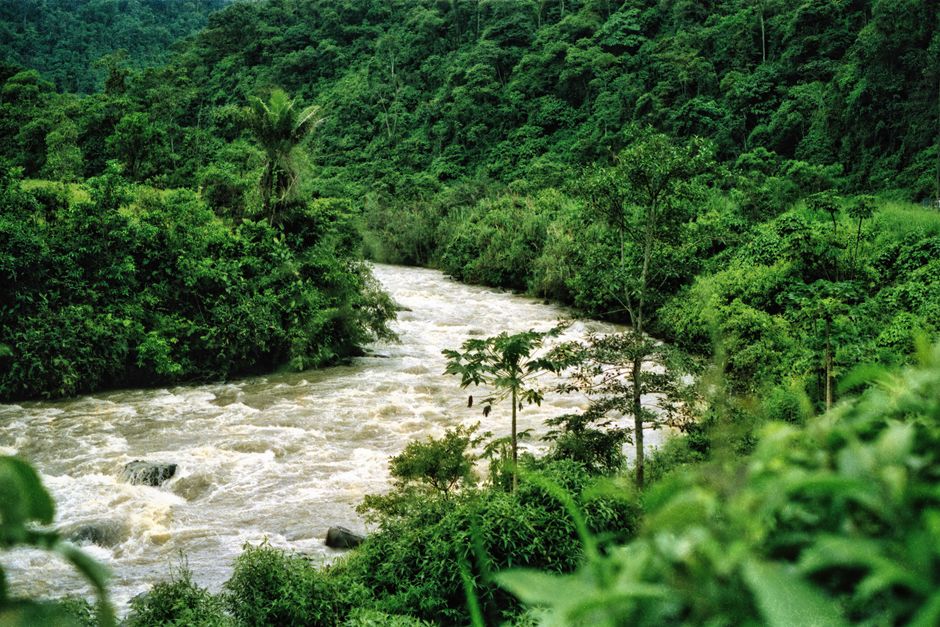
Ibogaine is the primary psychoactive alkaloid of Tabernanthe iboga, a shrub native to the rainforests of Gabon and Cameroon. The root bark has been used ceremonially by the Bwiti peoples for centuries — not as an intoxicant, but as a tool for direct psychological encounter. Western pharmacologists first isolated the compound in the early twentieth century. Howard Lotsof documented its anti-addictive properties in the 1960s when he observed interrupted heroin withdrawal in himself and a small group who were all actively using heroin at the time.
Pharmacologically, ibogaine does not fit any existing drug category. It engages multiple neurological systems simultaneously — the dopamine system, the serotonin system, the acetylcholine system, NMDA receptors, and sigma receptors. Most psychiatric medications target one system. Ibogaine does not. After the active ceremony (12–24 hours), ibogaine converts to noribogaine in the body. Noribogaine remains biologically active for weeks to months, continuing to interact with serotonin and opioid receptors. This extended window is the most plausible explanation for why ibogaine's effects persist well beyond the ceremony.
The experience is primarily autobiographical. It tends to produce extended review of the significant events, decisions, and patterns of a person's life — specific memories, specific recognitions, specific confrontations with what has been avoided. For a detailed account of what iboga is and the tradition surrounding it, read the guide to iboga and the Bwiti tradition.
What ayahuasca is
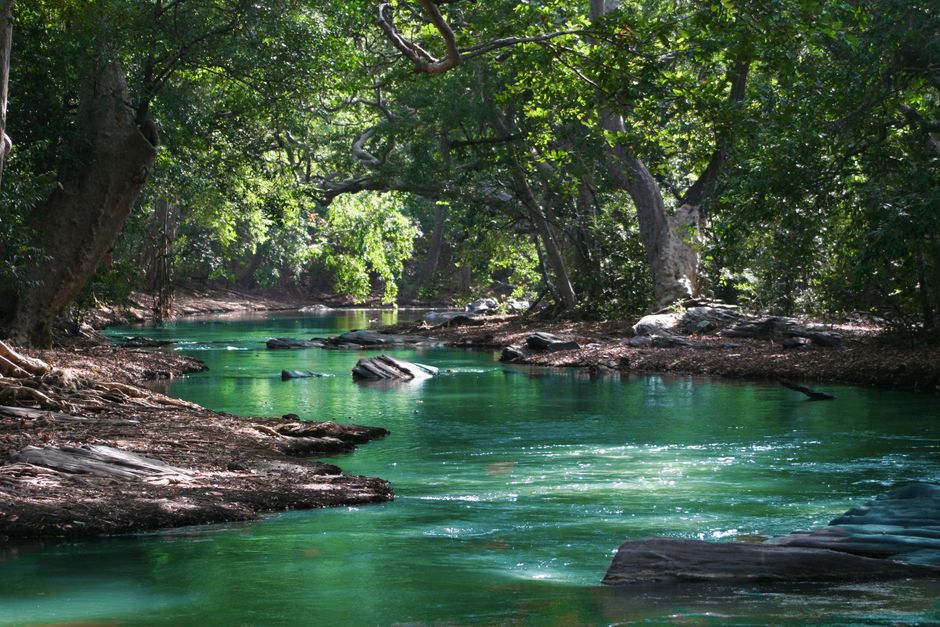
Ayahuasca is a ceremonial brew prepared by combining the Banisteriopsis caapi vine — which contains monoamine oxidase inhibitors (MAOIs) — with DMT-containing plants, most commonly Psychotria viridis. The MAOIs prevent the rapid metabolic breakdown of DMT in the gut, allowing it to reach the brain. Without the vine, DMT taken orally is inactive.
Ayahuasca has been used in indigenous healing traditions throughout the Amazon basin for centuries. The active experience typically lasts 4–6 hours. The primary mechanism is serotonergic — DMT is a potent agonist at serotonin receptors, producing effects that bear some similarity to classic serotonergic psychedelics like psilocybin but are more intense and directed. The experience tends to be visionary and emotionally confrontational — imagery, emotional material, relational patterns brought to the surface in ways that are harder to access in ordinary consciousness.
The evidence base for ayahuasca is growing. Studies from Brazil, Spain, and the United States have documented reductions in depression, anxiety, and PTSD symptoms. PubMed lists over 300 published studies on ayahuasca as of 2024, though most are small and lack placebo controls. The direction is consistent.

How the experiences differ
The most fundamental difference is duration and content type. Ibogaine lasts 12–24 hours. Ayahuasca lasts 4–6 hours. Ibogaine is primarily autobiographical — specific memories, specific patterns, specific confrontations with what a person has been avoiding. Ayahuasca is more often visionary and symbolic — imagery, archetypes, emotional encounters that are less literally narrative and require more interpretive work afterward.
This difference in content type produces a difference in integration. Ibogaine material is specific enough to work with directly — a person can identify what was shown and what it is asking of them. Ayahuasca material is often metaphorical. Neither is easier. They are different cognitive and emotional tasks.
Ibogaine is physically demanding in a way ayahuasca typically is not. Nausea, ataxia, sensitivity to light and sound, and inability to sleep are common throughout the 12–24 hour ceremony. The person is largely immobile for the duration. Ayahuasca also produces nausea — purging is common and considered part of the process in traditional Amazonian contexts — but the physical demand is lower and recovery faster.
The neurological mechanisms are different enough that the conditions each addresses most effectively are also different. Ibogaine's multi-system engagement — particularly its action on dopamine and mu-opioid receptors — makes it the stronger tool for addiction interruption at the neurological level. Ayahuasca's serotonergic mechanism makes it more analogous to what antidepressants attempt, but through a different and more direct route.
What each medicine is used for
Ibogaine has the strongest clinical evidence in opioid dependence and treatment-resistant conditions. The 2023 Stanford study — published in Nature Medicine — documented an 88% average reduction in PTSD symptoms, 87% reduction in depression, and 81% reduction in anxiety at one month post-treatment in a cohort of special operations veterans who had not responded to conventional treatment. Texas subsequently committed $50 million USD to clinical ibogaine trials at UTMB, UTHealth Houston, Texas A&M University, and Baylor University. The full research picture is on the press and research page.
Ibogaine is not a cure for addiction. It is a neurological reset — a window during which craving is substantially reduced and the brain's capacity for forming new patterns is elevated. What happens in that window determines the outcome. Ibogaine ceremony followed by a return to the same environment, the same relationships, and the same unaddressed conditions that produced the problem does not produce lasting change. This is not a disclaimer. It is the central fact about how this medicine works, and understanding it before ceremony is part of what makes the difference.
Ayahuasca is used most commonly for depression, anxiety, existential distress, grief, and trauma with a strong emotional character. It produces depth of encounter — a direct confrontation with avoided material that sometimes resolves in a single ceremony and sometimes requires repeated work over time. It is not the strongest tool for interrupting addiction at the neurological level. It is a strong tool for the psychological and emotional layers of addiction, particularly where unresolved trauma is central.
For many people, both medicines have a role — not simultaneously, but in sequence. Ibogaine addresses the neurological structure. Ayahuasca addresses the emotional and relational material beneath it. For how ibogaine compares to another ceremonial medicine with a different profile, read 5-MeO-DMT vs ibogaine.

Iboga vs ibogaine: the distinction
"Iboga" and "ibogaine" are often used interchangeably. They are not the same. Iboga refers to the whole root bark — the total alkaloid extract, as prepared and used in the Bwiti tradition of Central Africa. Ibogaine is the primary isolated alkaloid extracted from that root bark, used in clinical and quasi-clinical settings in the West.
The distinction matters in practice. Total alkaloid iboga contains ibogaine alongside dozens of other alkaloids — tabernanthine, ibogaline, and others — which appear to modulate the experience in ways that isolated ibogaine does not fully replicate. Traditional Bwiti practitioners work with the whole root bark. Western clinical research has focused on ibogaine HCl because it is measurable and reproducible. Both approaches access the same plant. Neither fully substitutes for the other.
At ExploreBwiti, the work is rooted in the Bwiti tradition. The ceremonial context — intention, structure, the accumulated knowledge of the tradition — is not incidental to outcomes. It is constitutive of them.

Safety and contraindications
The safety profiles of ibogaine and ayahuasca are different, and both carry real risk.
Ibogaine has a documented cardiac risk. It prolongs the QT interval — the period of cardiac electrical activity between beats — which can produce fatal arrhythmia in people with certain pre-existing cardiac conditions. EKG and cardiovascular screening before any ibogaine ceremony is not optional. The fatalities that have occurred during ibogaine treatment are heavily concentrated among providers who did not conduct cardiac screening before ceremony. Any provider who does not require an EKG before ceremony is not operating safely. This is not a grey area.
SSRIs and SNRIs are absolute contraindications for both ibogaine and ayahuasca. For ibogaine, the risk is serotonin syndrome. For ayahuasca, the MAOI component of the brew interacts with drugs that affect serotonin metabolism — the same severity. Anyone currently on antidepressants who is considering either medicine needs to work with their prescribing physician on a supervised taper before ceremony is possible. There are no exceptions to this.
Ayahuasca does not carry ibogaine's specific cardiac risk, but the MAOI component interacts with a broad range of foods and medications, and cardiovascular screening is still recommended for people with hypertension or existing heart conditions. Both medicines amplify what is present psychologically. Entering either in a state of acute psychiatric instability is not advisable. The FAQ covers ibogaine contraindications in detail.

Who ibogaine is not for
These are the absolute contraindications for ibogaine — the conditions under which ceremony is not safe and the intake conversation ends in a no.
- QT prolongation, significant cardiac arrhythmia, or recent myocardial infarction. EKG screening identifies these before ceremony. Without it, elevated cardiac risk is identified during ceremony — which is the wrong moment for that information.
- Current SSRIs or SNRIs. A supervised taper, conducted with your prescribing physician, is required first. The timeline varies from weeks to months depending on the medication and dosage.
- Methadone. A specific transition protocol is required. It is not an immediate process.
- Active psychosis or schizophrenia spectrum disorder. The experience amplifies what is present. Acute instability does not become stability through ceremony.
- Severe liver or kidney disease. Ibogaine's metabolic pathway makes this an absolute contraindication.
- Pregnancy.
If any of these apply, the question of ibogaine is premature. We tell people this directly — without softening it — because the alternative is unsafe.

Who ayahuasca is not for
Ayahuasca is not appropriate for people currently taking SSRIs, SNRIs, MAOIs, lithium, tramadol, or a range of other medications that interact with the MAOI component of the brew. The drug interaction list is long and must be respected. This is not an area for improvisation.
Ayahuasca is also not appropriate for people with a personal or family history of psychosis or bipolar disorder with psychotic features. The visionary intensity of the experience can be destabilising for people with these histories.
And ayahuasca is not a first-resort treatment. The people who tend to have the most productive encounters with it are those who have already done sustained work on themselves — years of therapy that circled without landing, recovery programmes that held for a time and then didn't, conventional approaches that produced partial rather than lasting relief. The person arriving primarily for a novel experience is not in the same position. The medicine tends to make the distinction clearly.

Is this right for you?
Whether ibogaine or ayahuasca is the right path depends on specifics that a comparison article cannot determine: the condition you are addressing, your medication history, your cardiac profile, and what you have already tried. These are intake questions, not search questions.
If ibogaine is the direction, start with the ceremony page and the FAQ. If those are relevant to your situation, complete the application to begin the intake conversation. We respond personally within 2–3 business days. For context on the research behind ibogaine, the 2023 Stanford study in Nature Medicine and the ibogaine research literature on PubMed are the right starting points. If you are working through the integration of a previous plant medicine experience, the integration page covers what that process involves.
Frequently asked questions
What is the difference between ibogaine and ayahuasca?
Ibogaine is an alkaloid from the iboga root bark that produces a 12–24 hour autobiographical experience engaging multiple neurological systems including dopamine and opioid receptors. Ayahuasca is a DMT-containing brew that produces a 4–6 hour visionary experience working primarily through the serotonin system. They address different conditions and are not substitutes for each other.
Which is better for addiction — ibogaine or ayahuasca?
Ibogaine has the stronger evidence base for addiction, particularly opioid dependence. It works at the neurological level — interrupting withdrawal and resetting dopamine receptor sensitivity. Ayahuasca addresses the psychological and emotional layers of addiction but does not produce the same neurological interruption. For opioid dependence specifically, ibogaine is the better-supported option. Integration support after either medicine matters significantly for long-term outcomes.
Can you take ibogaine and ayahuasca together or in sequence?
Not simultaneously — the pharmacological interactions would be dangerous. In sequence, with adequate time between ceremonies and proper integration, some practitioners work with both. The sequencing, timing, and appropriateness depend entirely on the individual's situation and should be discussed in detail with the provider before any plan is made.
Is ayahuasca safer than ibogaine?
They carry different risks. Ibogaine has a documented cardiac risk — QT interval prolongation — that makes EKG screening before ceremony non-negotiable. Ayahuasca does not carry the same cardiac risk but has a significant drug interaction profile through its MAOI component. Both medicines are contraindicated with SSRIs and SNRIs. Neither is unconditionally safer than the other.
What is the difference between iboga and ibogaine?
Iboga refers to the whole root bark of Tabernanthe iboga, used in the Bwiti tradition of Central Africa as a total alkaloid extract. Ibogaine is the primary isolated alkaloid extracted from that bark, used in clinical and research settings. The whole-plant preparation contains dozens of other alkaloids that appear to modulate the experience in ways isolated ibogaine does not fully replicate.
Can ayahuasca help with addiction?
Ayahuasca can address the psychological and emotional dimensions of addiction — particularly where trauma is central. It does not produce the neurological interruption of withdrawal and craving that ibogaine does. It is not a substitute for ibogaine in conditions where the neurological component is primary, but some people find it useful as part of a longer recovery process.
What is ibogaine used for?
Ibogaine is used primarily for opioid dependence, treatment-resistant PTSD, and treatment-resistant depression. The 2023 Stanford study documented 88% average reductions in PTSD symptoms, 87% reductions in depression, and 81% reductions in anxiety at one month post-treatment in special operations veterans who had not responded to conventional treatment. Texas subsequently committed $50 million USD to clinical ibogaine trials at four major research institutions.
Who should not take ibogaine?
People with QT prolongation, significant cardiac arrhythmia, or recent myocardial infarction; those currently on SSRIs or SNRIs (supervised taper required first); those on methadone without a transition protocol; people with active psychosis or schizophrenia spectrum disorder; severe liver or kidney disease; and pregnant people. These are absolute contraindications. EKG screening before ceremony identifies cardiac risk not visible in medical history alone.