Psychedelics in recovery covers a broad range of substances used in very different ways. Ibogaine addresses addiction at a neurological level that no other treatment approaches. Psilocybin assists with insight and behavioural change. 5-MeO-DMT produces a brief, intense ego dissolution that can shift trauma-related patterns. They are not alternatives to each other — they operate through different mechanisms, serve different populations, and have different safety profiles. Treating them as interchangeable because they are all plant medicines is a starting point that tends to produce poor decisions.
Psychedelics in recovery refers to the clinical and ceremonial use of substances — primarily ibogaine, psilocybin, 5-MeO-DMT, and MDMA — to interrupt addiction cycles, process trauma, and treat conditions such as PTSD and treatment-resistant depression. Each operates through a distinct mechanism. Ibogaine is the only one that directly resets opioid receptor physiology — a neurological intervention no other treatment category approaches.


How Psychedelics Interrupt Addiction
Conventional addiction treatment operates on several levels: behavioural therapy addresses patterns, pharmaceutical treatment manages withdrawal and craving, and peer support builds accountability. What these approaches share is that none of them directly address what chronic substance use does to the brain's reward architecture.
Prolonged opioid use downregulates the dopamine system in ways that produce anhedonia — the inability to feel pleasure from anything other than the drug. That physiological change is not resolved by abstinence alone. It persists for months or years and is a primary driver of relapse.
Classic psychedelics — psilocybin, ayahuasca, LSD — address this primarily through the serotonin system. They increase neuroplasticity, reduce default mode network activity, and can produce experiences that researchers believe catalyse sustained behavioural change. Johns Hopkins trials on psilocybin for tobacco use disorder found 80% abstinence at six months — a rate substantially higher than any approved pharmacotherapy for smoking cessation.
Ibogaine operates differently. It acts on multiple receptor systems simultaneously: kappa-opioid, NMDA, sigma, serotonin, and dopamine. The result is a pharmacological reset of the reward system — not a serotonergic nudge but a full interruption. It clears acute opioid withdrawal in hours. It reduces craving not by managing it but by interrupting the neural architecture that sustains it.
5-MeO-DMT works through a third mechanism: immediate, profound ego dissolution. There is no narrative content, no guided autobiographical journey. The clinical hypothesis is that this dissolution interrupts conditioned fear responses — the hypervigilance and avoidance responses that characterise PTSD and often underlie substance use.

Ibogaine — The Strongest Evidence Base
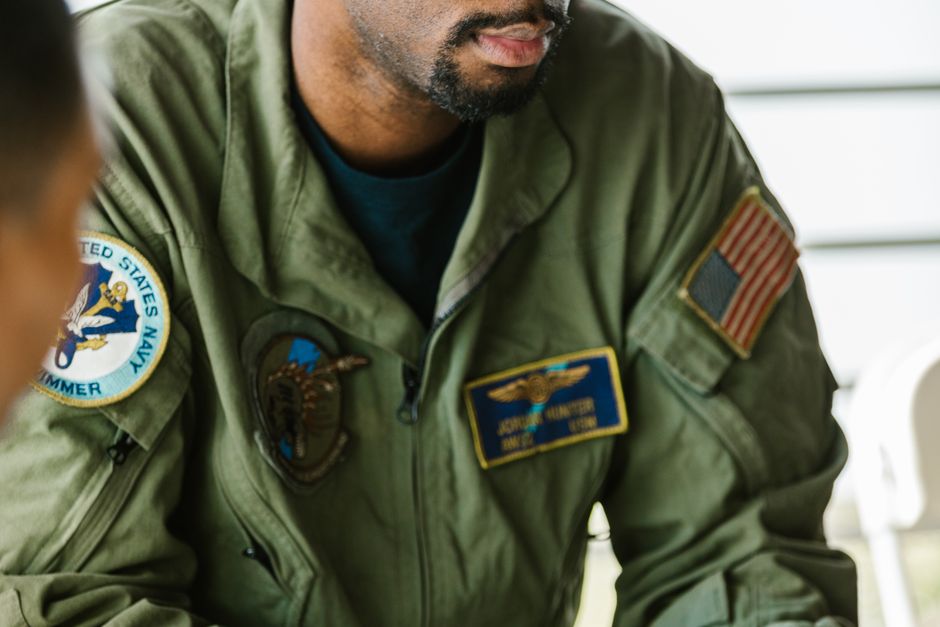
The strongest clinical evidence in the psychedelics-in-recovery space is the 2023 Stanford study published in Nature Medicine. Thirty special operations veterans — a population that had already exhausted conventional treatment for PTSD, traumatic brain injury, and treatment-resistant depression — received a single ibogaine treatment. One month later: an average 88% decrease in PTSD symptoms, 87% in depression symptoms, and 81% in anxiety.
That last sentence bears pausing over. Conventional antidepressant research considers a 50% reduction in depression scores a strong response. The Stanford results were measured at one month — well after ibogaine itself had cleared the body — which means noribogaine, ibogaine's active metabolite, is most likely the mechanism sustaining those outcomes. Noribogaine has an elimination half-life of 28–36 hours and is detectable for up to 30 days post-treatment.
The study has real limitations. Thirty participants is not a large clinical population. There was no placebo arm. These are veterans, not a general addiction population. Citing these numbers without those caveats is not honest — and the numbers are compelling enough to stand without overselling them.
For opioid addiction specifically, the evidence is observational but consistent across multiple studies over several decades. Ibogaine interrupts opioid withdrawal with a speed and completeness that no approved treatment approaches. The mechanism: ibogaine displaces opioids from mu-opioid receptors and normalises the dopaminergic dysregulation that chronic opioid use produces. Following the Stanford results, Texas committed $50 million USD to clinical ibogaine trials at UTMB, UTHealth Houston, Texas A&M, and Baylor — because the research direction has been consistent enough that states are now allocating institutional funding.
For alcohol use disorder, observational data and meta-analyses have found higher six-month abstinence rates for ibogaine-treated participants compared to standard care. The alcohol data is more limited than the opioid data, but the direction is consistent.
Ibogaine is not a cure for addiction. It is a neurological reset — a window during which craving is reduced and new patterns are more possible. What happens in that window is entirely dependent on what the person does with it.
5-MeO-DMT and Trauma in Recovery
Addiction and trauma are not separate problems. For a significant portion of people who develop serious substance use disorders, the addiction is — or was — the solution to something else: childhood trauma, unresolved grief, chronic pain, PTSD from combat or assault or an event that remade their life.
Treating the addiction without treating the underlying trauma produces temporary results. Ibogaine can address both in the same ceremony — the neurological reset and the extended introspective process that tends to surface what the person has been managing through substance use. But for people whose primary barrier is trauma rather than long-term opioid receptor dysregulation, 5-MeO-DMT is sometimes the more appropriate starting point.
A single 5-MeO-DMT session lasts 20–45 minutes. That is not because the medicine is gentle. It is because the experience moves faster than ibogaine's 12–24 hours. Complete ego dissolution in under an hour has its own demands — the intensity is not proportional to the duration.
Preliminary clinical evidence for 5-MeO-DMT in PTSD and trauma recovery is early but consistent. Researchers have observed reductions in hypervigilance, intrusive memories, and avoidance behaviours that standard pharmacotherapy had not produced. The mechanism is not fully understood. What is consistent is the outcome: a disruption of the conditioned neural patterns that trauma establishes, followed by a period during which integration work can build new ones.
5-MeO-DMT ceremony at ExploreBwiti in Vancouver costs $600–$1,500 CAD. The active experience runs 20–45 minutes. The integration period that determines the outcome is weeks. Those two facts are not in tension — the duration of the medicine does not determine the duration of the work.

Integration — The Window That Determines Everything
The ceremony opens a window. The window does not stay open indefinitely. What is done while it is open determines whether the outcome is lasting or temporary.
The people who come to ceremony with the strongest results are often the ones who spent years trying everything else first — SSRIs that blunted rather than resolved, therapy that circled without landing, abstinence-based programmes that held for months and then didn't. By the time they sit with the medicine, they have evidence that conventional approaches have not been sufficient. That scepticism, earned the hard way, tends to produce people who are genuinely ready to work with what the experience shows them, and who take the integration period seriously.
The people who return immediately to the environment, relationships, and patterns that produced the addiction — without integration support, without changed conditions, without structure in the weeks that follow — often find themselves back where they started within six weeks. Sometimes worse, because the contrast between what was possible and what they returned to is now sharper.
This happens. It is not a failure of the medicine. It is a failure of the conditions surrounding the medicine.
The neuroplasticity that ibogaine and noribogaine sustain in the weeks following ceremony is the actual treatment window. During that period, the brain is more capable of building new patterns than at essentially any other point in adult life. That window closes. Integration coaching and deliberately restructured conditions are not optional extras — they are the part of the treatment that determines whether the ceremony produces lasting change or a temporary altered state.
ExploreBwiti offers integration coaching at $150–$300 per session in 60–90 minute sessions, with packages of three or more available. This is not a bonus service. It is the variable that most consistently separates durable outcomes from temporary ones.
Who This Is Not For
Not everyone who wants psychedelic-assisted treatment is an appropriate candidate. The medicine does not care how much someone wants it or how desperate the circumstances are. The screening process exists because ignoring it has killed people.
Absolute contraindications for ibogaine — none of these can be worked around:
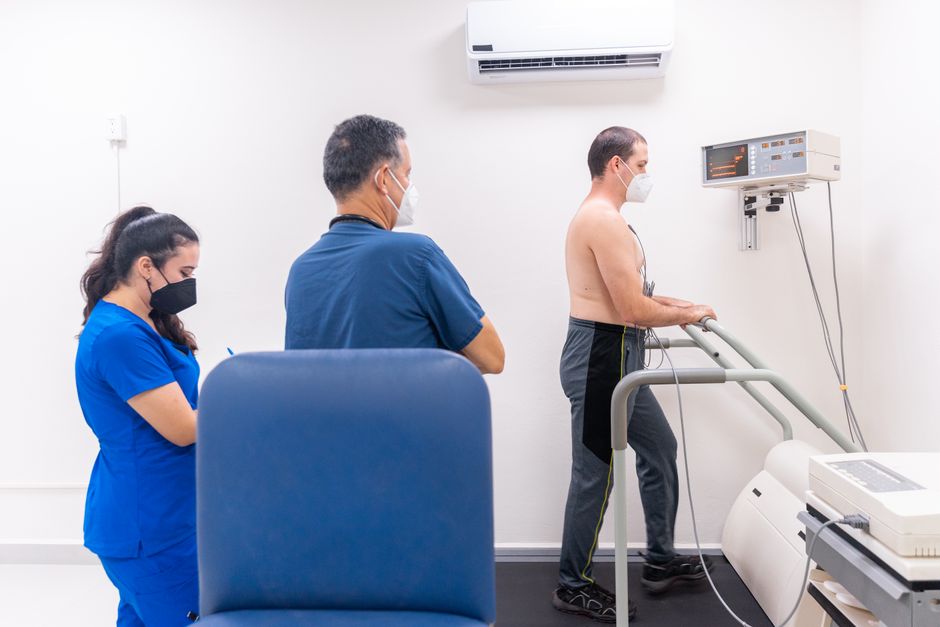
- QT prolongation, significant cardiac arrhythmia, or recent myocardial infarction. Ibogaine prolongs the QT interval. This is the mechanism behind cardiac fatalities in ibogaine treatment. EKG screening before ceremony identifies this risk before it becomes a crisis. Any provider who skips the EKG is not operating safely.
- Current SSRIs or SNRIs. The risk of serotonin syndrome is real and potentially fatal. A supervised taper — coordinated with the prescribing physician — is required before ceremony is possible. There are no exceptions. One week off SSRIs before ceremony is not a taper. It is a risk.
- Methadone. A specific supervised transition protocol is required. This takes weeks to months, not days.
- Severe liver or kidney disease. Ibogaine is metabolised through hepatic pathways that must be functioning adequately.
- Active psychosis or acute psychiatric instability. The experience amplifies what is present. Entering ceremony in crisis does not produce stability.
- Pregnancy.
For 5-MeO-DMT, additional contraindications include personal or family history of psychosis or schizophrenia spectrum disorder, and several cardiovascular conditions and medications that interact with the substance.
People who are primarily seeking a mystical experience or a shortcut to insight are also not appropriate candidates. The medicine does not accommodate avoidance. It tends to give people what they need rather than what they want — and those are rarely the same thing.
Read the FAQ for a direct account of what screening involves and what disqualifies someone.
Is This Right for You?
The question is not whether psychedelics work for addiction. The research is no longer fringe. The question is whether this specific approach — with its specific demands, its specific contraindications, and its dependence on integration — is appropriate for you at this point in time.
That requires an honest assessment of your medical history, your current medications, the conditions you are trying to address, and your capacity to do the integration work in the weeks that follow. It also requires a provider who will tell you directly if you are not an appropriate candidate — rather than accommodating everyone who applies and a payment method.
Read the FAQ for a direct account of what screening involves. The ceremony page describes what iboga and 5-MeO-DMT ceremony at ExploreBwiti in Vancouver specifically involves. The integration page covers what the post-ceremony work looks like. The opioid addiction guidegoes deeper on ibogaine's evidence base for opioid dependence specifically. When you are ready to begin the conversation, the application is where it starts — we respond personally to every application within 2–3 business days.
If you are on SSRIs or have a cardiac history, start with your physician and an honest conversation about whether a taper or further assessment makes this feasible. It may not be. That is not a comfortable answer. It is the accurate one.
Frequently asked questions
What is psychedelic-assisted treatment for addiction?
Psychedelic-assisted treatment for addiction refers to the clinical or ceremonial use of substances — primarily ibogaine, psilocybin, 5-MeO-DMT, and MDMA — to interrupt addiction cycles and address the neurological and psychological conditions that sustain them. Each substance works through a distinct mechanism. Ibogaine is unique in directly resetting opioid receptor physiology; psilocybin and MDMA work primarily through the serotonin system; 5-MeO-DMT produces profound ego dissolution that can alter trauma-related patterns.
How does ibogaine work differently from psilocybin for addiction?
Ibogaine acts on multiple receptor systems simultaneously — kappa-opioid, NMDA, sigma, serotonin, and dopamine — producing a pharmacological reset of the reward system. It interrupts acute opioid withdrawal in hours by displacing opioids from mu-opioid receptors. Psilocybin works primarily through the serotonin system, increasing neuroplasticity and reducing default mode network activity. Psilocybin has more clinical trial data for alcohol and tobacco use; ibogaine has the strongest evidence base for opioid dependence.
What did the Stanford ibogaine study find?
The 2023 Stanford study, published in Nature Medicine, treated 30 special operations veterans with a single ibogaine session. One month later, researchers measured an average 88% decrease in PTSD symptoms, 87% in depression symptoms, and 81% in anxiety. Conventional antidepressant research considers a 50% reduction in depression scores a strong response. The study had real limitations: 30 participants is a small population, there was no placebo arm, and the findings apply specifically to veterans with treatment-resistant PTSD and traumatic brain injury.
Is ibogaine treatment available in Canada?
Yes. Ibogaine is not listed under Canada's Controlled Drugs and Substances Act, meaning it is not explicitly prohibited — a different legal status from the United States (Schedule I) or the United Kingdom (Class A). Ibogaine ceremony in Canada, such as at ExploreBwiti in Vancouver, requires complete medical screening including EKG and blood panel, and costs $2,000–$5,000 CAD, which includes the on-site medical professional, medicine, and facilitation.
Who is not a candidate for ibogaine treatment?
Absolute medical contraindications include: QT prolongation, significant cardiac arrhythmia, or recent myocardial infarction; current SSRIs or SNRIs (serotonin syndrome risk is real and potentially fatal — supervised taper required first, not just a few days off the medication); methadone without a specific supervised transition protocol; severe liver or kidney disease; active psychosis or acute psychiatric instability; and pregnancy. These contraindications apply regardless of how much someone wants the treatment.
Why does integration matter so much after psychedelic treatment?
Ibogaine elevates neuroplasticity — the brain's capacity to build new patterns — in the weeks following ceremony, sustained by noribogaine, its active metabolite. What is done during that window determines whether the ceremony produces lasting change or a temporary altered state. People who return immediately to the same environment and relationships that produced the addiction often relapse within six weeks. Integration coaching, restructured conditions, and continued support are not optional — they determine the outcome.
What is 5-MeO-DMT used for in addiction recovery?
5-MeO-DMT is used primarily where trauma underlies addiction, producing 20–45 minutes of profound ego dissolution. Unlike ibogaine, it does not produce narrative autobiographical content — the experience is non-conceptual and direct. Preliminary evidence shows reductions in hypervigilance, intrusive memories, and avoidance behaviours associated with PTSD. It is not a gentler version of ibogaine — complete ego dissolution in under an hour has its own demands, and the absence of narrative content can make integration harder, not easier.
What does psychedelic-assisted recovery cost in Canada?
Costs at ExploreBwiti in Vancouver range from $600–$1,500 CAD for 5-MeO-DMT ceremony and $2,000–$5,000 CAD for ibogaine ceremony. These prices include the on-site medical professional, medicine, and facilitation. Integration coaching costs $150–$300 per session (60–90 minutes). Total costs depend on what the individual requires. Providers offering ibogaine significantly below these ranges are typically reducing safety infrastructure — the cost of an on-site medical professional, proper screening, and the medicine itself is real.