In 2023, researchers at Stanford University published a study in Nature Medicine that changed the conversation about ibogaine in mainstream medicine. The results were not subtle improvements in self-reported wellbeing — they were changes of a magnitude that rarely appear in any medical research, let alone in research on trauma and addiction.
The 2023 Stanford ibogaine study, published in Nature Medicine, examined 30 special operations veterans with treatment-resistant PTSD, traumatic brain injury, and depression. At one month post-treatment, PTSD symptoms decreased by an average of 88%, depression by 87%, and anxiety by 81%. Following the results, Texas committed $50 million to clinical ibogaine trials at four major research institutions.

Who was in the study
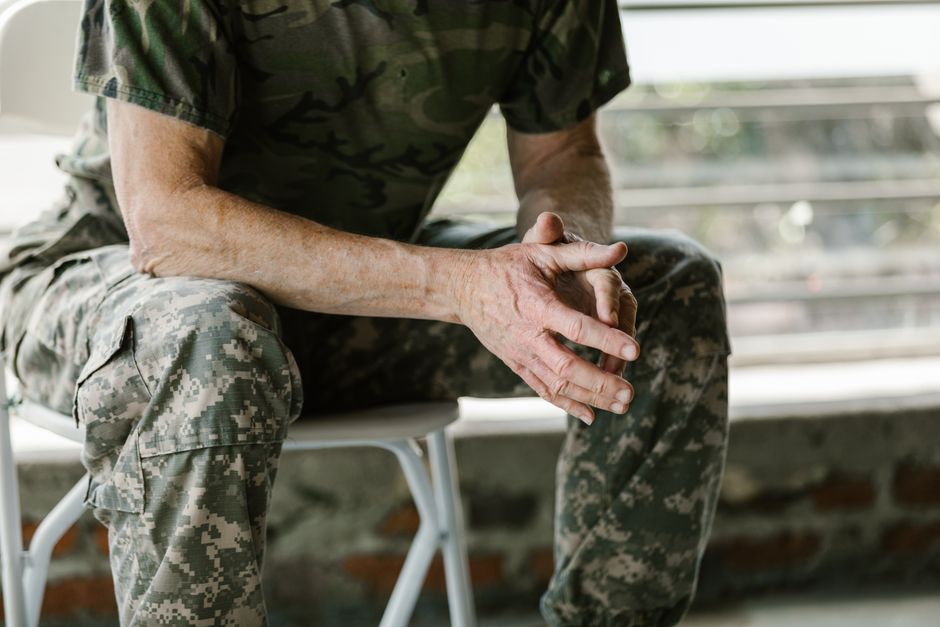
The study examined 30 special operations veterans with histories of mild traumatic brain injury (mTBI), significant trauma, PTSD, depression, and substance use disorders. These were not people with mild symptoms or limited trauma histories. They had sought help through conventional channels — therapy, medication, inpatient programmes — without adequate relief. They were among the most treatment-resistant cases in the veteran population.
The profile matters: special operations veterans are not people who enter things naively. They have been through conventional treatment. They have been given diagnoses and medications. Many arrived deeply sceptical that anything was going to work — because they had already cycled through the things that were supposed to work, without adequate result.
What the researchers found
At one month post-treatment, the researchers measured the following changes from baseline:
- PTSD symptoms: average decrease of 88%
- Depression symptoms: average decrease of 87%
- Anxiety symptoms: average decrease of 81%
These numbers require some context to appreciate. In conventional antidepressant research, a 50% reduction in depression scores is considered a strong response. A 30–40% reduction is often sufficient to declare a treatment "effective." An 87% average reduction, in a treatment-resistant population, is an order of magnitude beyond what pharmacological research typically produces.
The full study is available in Nature Medicine. The press and research page collects related coverage and context.

How long it lasted
The study measured outcomes at one month post-treatment. Longer-term follow-up data is still being collected, but the one-month window is significant for a reason: it is well past the period when ibogaine and noribogaine (its active metabolite) are biologically active. The improvements being measured at one month are not simply the acute effects of the compound — they are something more durable.
Noribogaine — the primary metabolite ibogaine converts to in the body — remains biologically active for weeks to months after treatment. This extended activity is likely part of why ibogaine produces changes that persist beyond the acute experience. For a detailed breakdown of the phases and timelines, read the ibogaine duration guide.

What it does not mean
The Stanford study was not a randomised controlled trial. There was no placebo arm. The sample size was small. These are genuine limitations, and researchers acknowledge them. The study is best understood as a carefully documented case series — strong enough to generate serious attention, not yet sufficient to establish ibogaine as a proven standard of care through conventional regulatory channels.
It also does not mean that ibogaine works for everyone, or that the results generalise across all populations. The veterans in the study received treatment in a well-resourced, medically supervised environment with thorough preparation and follow-up support. Outcomes in less rigorous settings — with inadequate cardiac screening, no medical oversight, or minimal integration support — would likely be different.

What comes next
The Stanford study contributed to a significant shift in policy attention. Texas committed $50 million to clinical ibogaine trials involving UTMB, UTHealth Houston, Texas A&M, and Baylor. Other research institutions are developing their own protocols. Registered clinical trials on ClinicalTrials.gov are accumulating. The regulatory landscape is beginning to shift — slowly, and with appropriate caution, but shift it is.
For people who are not willing or able to wait for regulatory approval, the existing body of evidence — the Stanford study, the PubMed research on opioid dependence, the decades of clinical observation in legal therapeutic contexts — is already meaningful. Read the press page for the full picture, and the ibogaine legal status guide for the regulatory context.
Frequently asked questions
What did the Stanford ibogaine study find?
The 2023 Stanford study published in Nature Medicine examined 30 special operations veterans with treatment-resistant PTSD, traumatic brain injury, and depression. At one month post-treatment, PTSD symptoms decreased by an average of 88%, depression by 87%, and anxiety by 81%. These reductions are significantly larger than what conventional pharmacological research typically produces.
Is the Stanford ibogaine study reliable?
The study is a carefully documented case series, not a randomised controlled trial. There was no placebo arm and the sample size was small — genuine limitations the researchers acknowledge. It is strong enough to generate serious attention and justify further research, not yet sufficient to establish ibogaine as a proven standard of care through conventional regulatory channels.
What happened after the Stanford ibogaine study?
Texas committed $50 million to clinical ibogaine trials at UTMB, UTHealth Houston, Texas A&M, and Baylor. Additional registered trials appeared on ClinicalTrials.gov. The study accelerated policy attention and funding that had been slow to materialise — primarily because ibogaine remains Schedule I in the United States, which constrains research.
Does ibogaine work for PTSD?
The Stanford study found 88% average reductions in PTSD symptoms in 30 treatment-resistant veterans at one month post-treatment. The mechanism is consistent with what practitioners have observed in therapeutic contexts for decades: ibogaine produces autobiographical memory review that allows traumatic material to be processed at a neurological level, combined with a period of elevated neuroplasticity that makes lasting reorganisation more possible.
Who was in the Stanford ibogaine study?
30 special operations veterans with mild traumatic brain injury, PTSD, depression, and substance use disorders — people who had already sought help through conventional channels without adequate relief. They were among the most treatment-resistant cases. This profile is significant: these were not people who had not tried other approaches.